
Last updated November 3, 2026
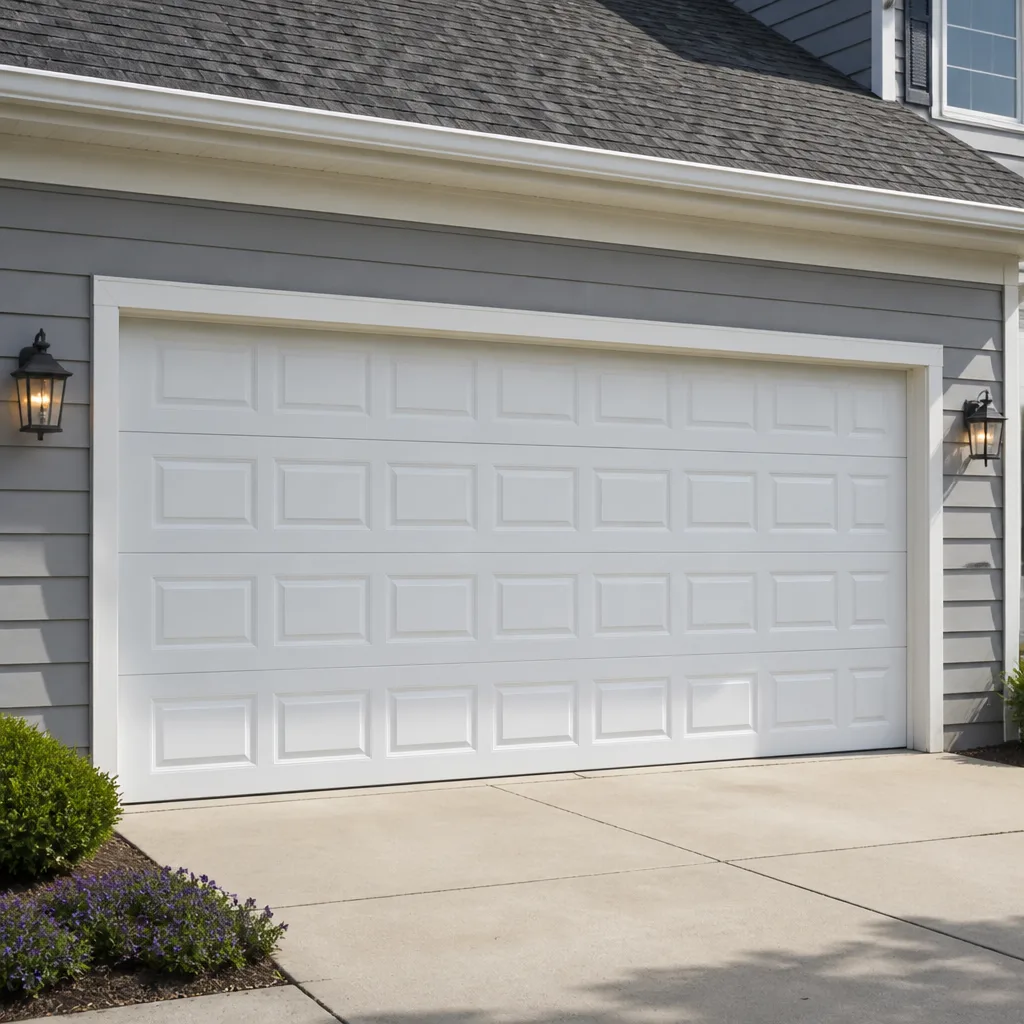 Raised-panel steel
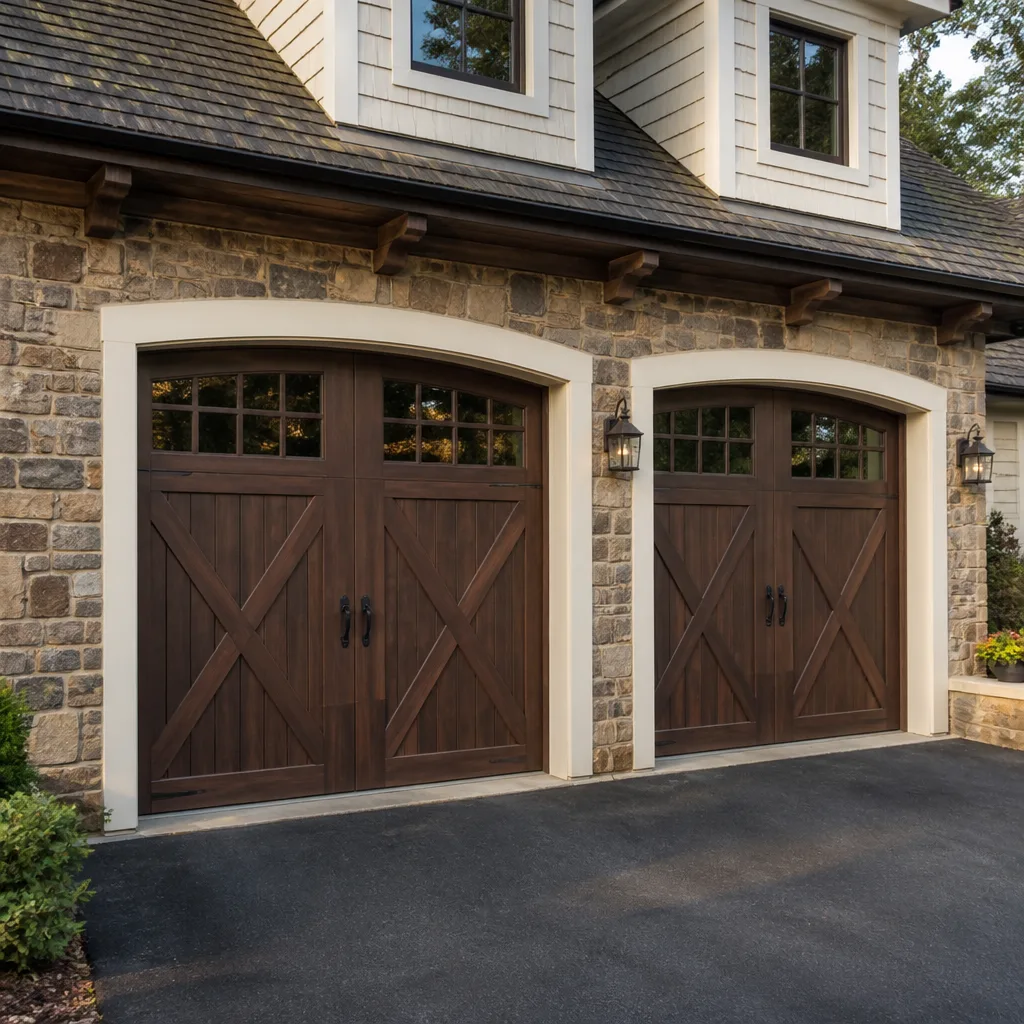 Carriage house
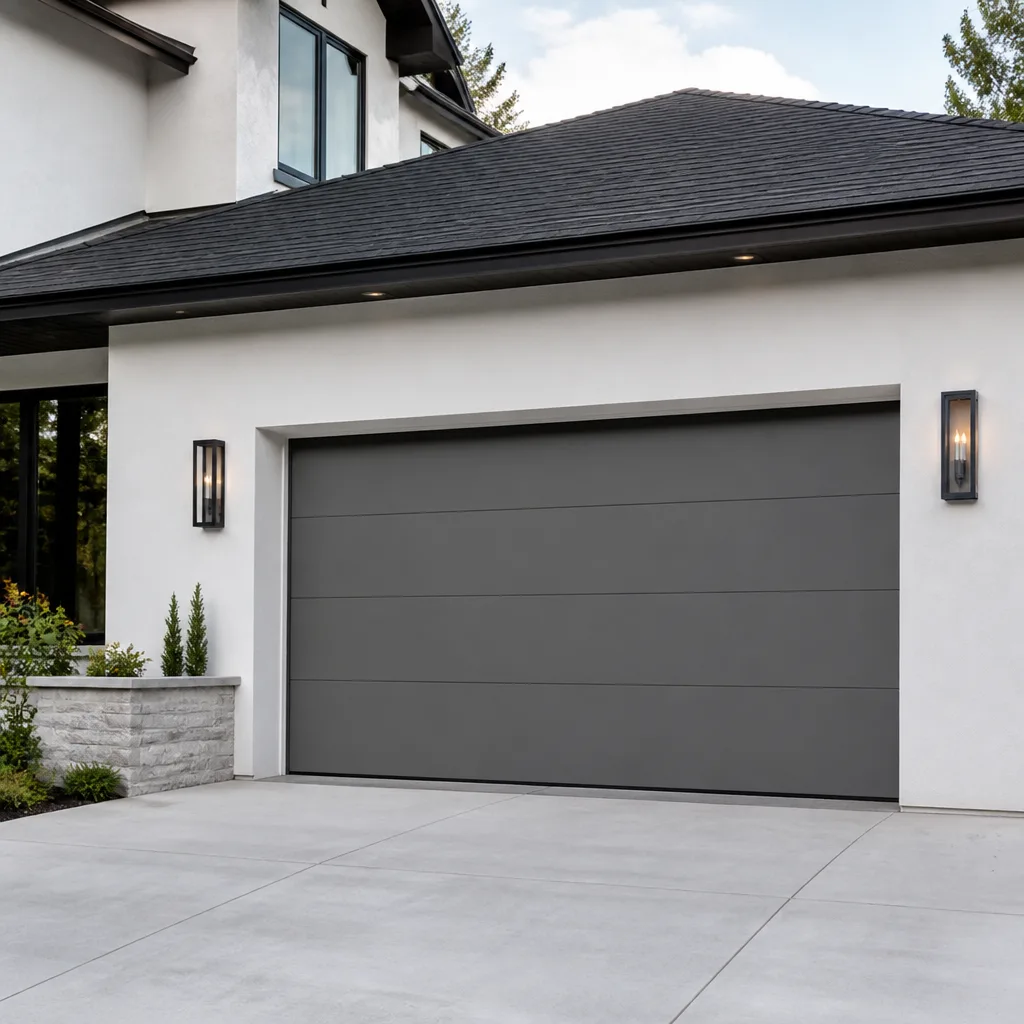 Modern flush
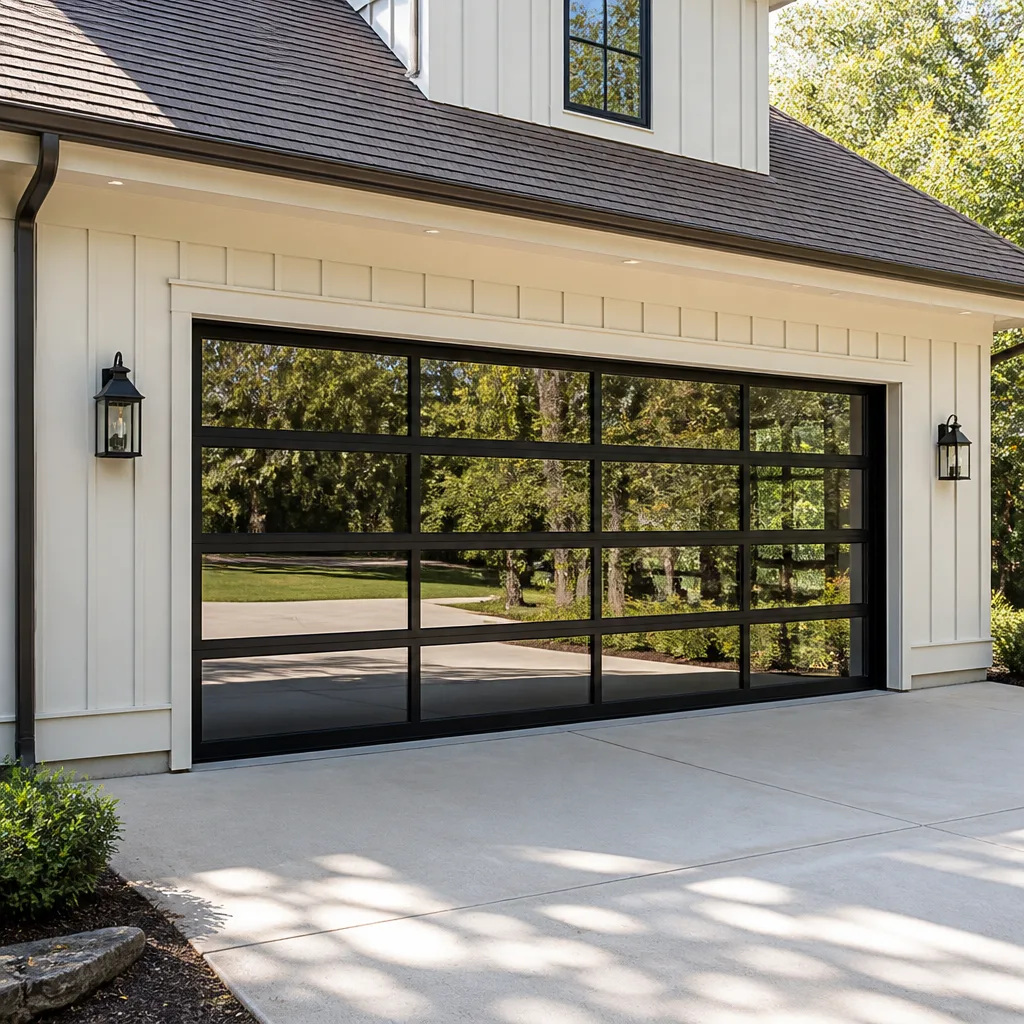 Full-view glass
 LiftMaster openers
 Chamberlain openers
Full 25-point door and opener safety check with every visit - springs, cables, rollers, tracks, and your LiftMaster or Chamberlain opener included
You get a price before we start. It does not change when the truck arrives.
Get your free estimateChoosing the Right Garage Door Brand: A Buyer’s Guide for Downtown San Diego
Here’s what most garage door brand guides won’t tell you: the “best” brand is the one you can actually get serviced when a spring snaps at 7 a.m. on a Tuesday and your car is trapped inside. In Downtown San Diego, that calculation looks different than it does in a suburban cul-de-sac. Urban garages run smaller, older, and tighter to structural steel. Coastal air eats hardware faster. And the technician who actually shows up matters more than the logo stamped on the panel. This guide cuts through the marketing to evaluate eight major garage door brands on the criteria that determine whether you’ll be happy with your door five years from now, not just on installation day. For more guides & resources, see our blog.
Styles & brands we work with
- Raised-panel steel
- Carriage house
- Modern flush
- Full-view glass
- LiftMaster openers
- Chamberlain openers
Quick Answer
For Downtown San Diego homeowners, LiftMaster and Chamberlain lead for opener reliability and service-network density in our area, while Clopay and Amarr offer the best panel-weight options and corrosion-resistant finishes for coastal low-headroom configurations. See The Complete Garage Door Repair Guide for Downtown San Diego Homeowners for deeper context on local service needs. The practical best choice is any of these four, provided the door and opener are compatible and a brand-agnostic service provider like Willow Garage Door Repair can maintain the full system without dealer-restricted parts delays.
Table of Contents
- What Actually Matters: Engineering Fit Over Brand Loyalty
- The Eight Major Brands, Evaluated for Downtown Conditions
- Opener Ecosystems: Why Matching Matters
- The Coastal Durability Factor
- Service Networks: The Question Brand Guides Skip
- Why Brand-Agnostic Servicing Wins Long-Term
- How to Choose: A 5-Step Selection Process
- Common Mistakes to Avoid
- When to Call a Professional
- Frequently Asked Questions
- The Bottom Line
What Actually Matters: Engineering Fit Over Brand Loyalty
Brand selection isn’t a loyalty decision. It’s an engineering fit question. The door that works beautifully on a two-car suburban garage with 16 inches of headroom may not fit a Downtown San Diego parking structure with 8 inches of clearance and a concrete beam running overhead. Before you even think about brand names, three physical factors determine what you can install.
Panel weight drives everything. Steel gauge, insulation type, and panel thickness add up quickly. A double-layer insulated steel door can weigh between 200 and 350 pounds. Your springs, cables, and opener motor all have to be sized to that weight. Guess wrong, and you get a door that sags, binds, or eats opener gears. In the low-rise condo buildings and converted warehouses throughout Downtown San Diego, we routinely see doors installed by previous owners that were never rebalanced after panel replacements. That’s a spring failure waiting to happen.
Headroom and track configuration matters more downtown than almost anywhere else in San Diego County. Standard lift track needs about 12 to 15 inches above the opening. Low-headroom track can work with as little as 4.5 inches, but it puts different stress on the door panels and requires a different cable profile. Buildings in the Gaslamp Quarter, East Village, and Little Italy often have older garages where the original builders assumed a different door type entirely. If your space demands low-headroom hardware, you need a brand that manufactures panels engineered for front-mount torsion systems, not an aftermarket retrofit.
Structural anchoring is the third variable. Concrete walls are standard downtown, which is good for spring anchoring but unforgiving for mistakes. Flat slabs, stucco over block, and poured concrete all accept lag anchors differently. Some brands provide pre-punched mounting flanges that align cleanly with standard track spacing; others require field drilling and shimming in tighter retrofits. The point is simple: the right brand for your Downtown San Diego garage depends on measurements and constraints, not on who runs the best television commercial.
The Eight Major Brands, Evaluated for Downtown Conditions
Willow Garage Door Repair maintains service expertise across eight manufacturers: LiftMaster, Chamberlain, Genie, Clopay, Amarr, Wayne Dalton, Craftsman, and Raynor. Here’s how they shake out when evaluated specifically for urban coastal installations.
LiftMaster dominates the opener side of the equation. Belt-driven, DC motor, solid logic boards. Their wall-mount jackshaft openers are specifically relevant for Downtown San Diego because they free up ceiling space in tight garages and work with high-lift track. Installation is particular, though: a jackshaft opener requires proper spring balancing or it will destroy itself. LiftMaster panels, when purchased through their full door line, are solidly mid-pack. The real advantage is parts availability. LiftMaster is a professional channel brand, which means any qualified tech can source parts without dealer-only restrictions.
Chamberlain shares manufacturing DNA with LiftMaster (same parent company, Chamberlain Group) but sells through retail channels. For Downtown San Diego homeowners, that distinction matters less than it used to. Chamberlain’s opener line covers the same belt and chain drive options at a lower price point, and their smart-home integration is genuinely useful if your building’s Wi-Fi reaches the garage. Their door panel selection is narrower, and the retail-grade hardware uses slightly lighter components in places. For a light-use urban garage, that’s fine. For a door cycled six times daily in a mixed-use building, we’d lean LiftMaster.
Genie remains the most common opener brand we encounter in older Downtown San Diego buildings. The screw drive was Genie’s calling card for decades, and there are still thousands of them running in the condo complexes south of Broadway. Screw drives are loud but mechanically simple, and they handle the temperature swings of a semi-open parking level better than belt drives in some cases. Genie’s current belt and chain drives are competent, and their parts are widely available. Where Genie falls behind is panel corrosion resistance. Their steel door line doesn’t offer the same factory-applied marine finishes as Clopay or Amarr.
Clopay is the panel quality benchmark for coastal climates. Their door lines include factory-applied corrosion-resistant treatments that are documented and warrantied, not sprayed on after the fact. For a Downtown San Diego garage two blocks from the bay, that matters. We’ve also found Clopay panels perform well in low-headroom configurations when properly ordered from the factory with the right track kit. The trade-off is that Clopay’s opener ecosystem is limited. They don’t manufacture openers. Pairing a Clopay door with a LiftMaster or Genie opener is standard practice and works fine.
Amarr is the other major player for coastal-friendly panels. Like Clopay, Amarr offers specific corrosion-resistant options and a wide range of panel weights, including lightweight aluminum and glass configurations that suit modern buildings in East Village and the waterfront towers. Amarr’s steel gauges run slightly thinner than Clopay’s in comparable price tiers, but their insulation options are competitive. As with Clopay, you’ll pair an Amarr door with a third-party opener.
Wayne Dalton has a meaningful installed base in Downtown San Diego, particularly in buildings constructed during the 1990s and early 2000s. Their TorqueMaster spring system is a notable deviation: springs hidden inside a tube rather than exposed on a torsion bar. That design reduces the visual footprint but complicates service. Not all technicians carry the spring winding tools specific to TorqueMaster systems. Willow carries them. If you’re buying new, Wayne Dalton’s panel quality is respectable, and their 9100 series remains a value option for light residential use. For heavy-use urban garages, we’d look elsewhere.
Craftsman openers are everywhere in older homes, but the brand has been through multiple ownership changes and their current door line is limited. Craftsman openers from the Chamberlain manufacturing era (roughly 2003 through 2018) are serviceable with standard Chamberlain parts. Current Craftsman-branded openers are essentially Chamberlain retail units with different badging. The door panels themselves are unremarkable, and corrosion resistance is not a differentiator.
Raynor is the quiet specialist. Their steel doors are well-built, they offer some corrosion-resistant finishes, and their opener line is small but competent. The challenge with Raynor is distribution. In Downtown San Diego, Raynor dealers are sparse compared to LiftMaster, Chamberlain, Genie, Clopay, and Amarr. If you own a Raynor door and it needs a factory specific part, the wait can be measured in weeks. That’s not a knock on the product. It’s a logistics reality.
Opener Ecosystems: Why Matching Matters
The single most common mistake we see in Downtown San Diego garages is a mismatched door and opener. A Clopay door on a Chamberlain opener works fine. A heavy Amarr steel door on a light-duty Genie chain drive does not, because the opener motor was never rated for the torque demand that door creates. Here’s what you need to know.
Opener manufacturers design their products around a range of door weights. A typical residential opener handles doors up to about 350 pounds with balanced springs. When springs are correctly sized and wound, the opener does very little actual lifting. It’s moving a balanced mass, not hoisting dead weight. The problem arises when springs lose tension or the door is heavier than the opener’s specification. The motor strips gears, the sprocket wears, or the main gear inside the drive head fails entirely. We replace stripped gears in Downtown San Diego homes every week, and the root cause is usually a spring imbalance, not a defective opener.
Choosing the same brand for door and opener offers no inherent technical advantage because the major door manufacturers don’t make openers and the major opener manufacturers don’t make doors, as explained in our DIY vs Professional Garage Door: The Downtown San Diego Homeowner’s Decision Guide. A “matched system” from one brand is marketing, not engineering. The compatibility question is about specifications: door weight, door height, track configuration, and duty cycle. A LiftMaster jackshaft opener mounted on the wall next to a Clopay door with high-lift track is a completely standard professional configuration. A Genie belt drive on an Amarr lightweight aluminum door works without issue. What matters is that whoever installs the system understands both components and sets the spring tension correctly.
For Downtown San Diego specifically, consider the Garage Door Opener Repair in Downtown San Diego implications before you buy. If you purchase a brand with limited local service coverage, you’re betting that nothing will ever go wrong. That’s a bad bet in a salt air climate.
The Coastal Durability Factor
Downtown San Diego sits inside the coastal marine zone. The air carries salt, moisture moves on a daily cycle, and fog settles in from the bay often enough to matter. Steel garage doors without proper corrosion protection start showing rust at the seams within three to five years, particularly along the bottom panel edges and around the hardware brackets. This is not theoretical. We’ve replaced doors in buildings along Harbor Drive and Pacific Highway that were six years old and rusted through at the bottom corners.
The manufacturers that take this seriously offer factory-applied corrosion protection: primer treatments, zinc-phosphate undercoatings, polyester topcoats, and sealed panel edges. Clopay and Amarr both offer these as factory options on specific door lines, and those finishes are warrantied. The key distinction is factory-applied versus aftermarket. A powder coat sprayed by a local refinisher after installation voids most manufacturers’ warranties. The warranty applies to the factory finish, not a field-applied coating. If your building’s HOA requires a specific trim color and the factory doesn’t offer it, you’re accepting a finished appearance in exchange for reduced corrosion protection.
Hardware matters too. Galvanized hinges, stainless steel cables, and zinc-plated track brackets all extend service life in coastal environments. The cheap route is bare steel and painted hardware, which rusts at the pivot points and starts squealing within two years. Grease doesn’t fix rust. Replacement does.
One more Downtown San Diego specific note: if your garage opens directly onto a street or alley with regular sprinkler overspray, the bottom panel takes more abuse than any other part of the door. Look for manufacturers that offer a full-width bottom bracket with sealed edges and a bottom weather seal that actually channels water outward rather than trapping it against the steel.
Service Networks: The Question Brand Guides Skip
Here’s the counterintuitive part of choosing a garage door brand in Downtown San Diego: the logo on the panel matters less than who can fix it. Every brand eventually breaks. Springs fatigue, cables fray, gears strip. When that happens, the question is whether you can get a qualified technician to your door the same week, not whether the manufacturer’s warranty covers the part.
LiftMaster and Chamberlain have the deepest service coverage in our area because they’re the two highest-volume opener brands and parts are broadly available through wholesale channels. Any competent technician in San Diego carries or can quickly source LiftMaster and Chamberlain components. Genie parts are also widely available, though slightly less so for older screw drive models. Clopay and Amarr doors are serviceable by any qualified door tech because the panels, springs, and hardware are standard commercial components. You don’t need a brand-certified dealer to replace a Clopay spring. You need someone who knows how to size a spring to the door, which is a skill, not a certification.
Wayne Dalton is where it gets complicated. The TorqueMaster system uses proprietary components that most technicians don’t stock. Raynor faces a similar issue: the doors are well-made, but specific parts may need to be ordered. If you own a Wayne Dalton or Raynor door in Downtown San Diego, you’re not out of luck, but you may wait longer for specialized parts unless your service provider carries them.
What about warranty work? This is the detail most guides miss. A factory warranty is only useful if there’s an authorized dealer who can process it. For some manufacturers, the nearest credentialed dealer is in North County or East County. That means a multi-day wait and a potential travel fee for what should be a straightforward fix. Before you commit to any brand, ask who in Downtown San Diego actually services it and whether they maintain the parts inventory to fix it without ordering.
Willow Garage Door Repair is brand-agnostic by design. We service all eight major brands, which means the advice we give about a new installation is based on your building’s constraints and your usage patterns, not on which brand we’re incentivized to move. If a LiftMaster fits your situation better than a Genie, we’ll say so. If an existing Chamberlain has life left in it, we’ll tell you that too. The Willow Garage Door Repair home service philosophy is built around that transparency.
Why Brand-Agnostic Servicing Wins Long-Term
Most Downtown San Diego residents didn’t choose the garage door on their building. It came with the lease, the purchase, or the developer’s original spec. You may not know whether your opener is a Chamberlain or a Craftsman without climbing a ladder. You shouldn’t need to. A brand-agnostic service provider handles whatever is on the wall and whatever hangs from the ceiling, because that’s what the situation demands.
There’s a practical advantage to this that brand-loyal dealerships can’t offer. When your opener fails and the door is 20 years old, a brand dealer’s answer is usually replacement, because they sell that brand’s products. A brand-agnostic technician’s answer depends on the actual failure. A stripped gear is a $150 to $300 repair on most LiftMaster and Chamberlain units. Replacing the opener is $500 to $800. If the motor, logic board, and safety sensors are still good, repairing makes more sense than replacing. That option only gets offered by someone who services the full range and has no incentive to push a specific product line.
From a new installation perspective, brand-agnostic expertise matters during the selection process. We’ve installed doors in every building type in Downtown San Diego, from single-car garages in Golden Hill bungalows to tandem spaces in East Village high-rises. That experience produces recommendations based on real performance data, not spec sheets. We know which panels hold up in a fog corridor. We know which openers keep working when the building’s concrete and steel kills a Wi-Fi signal. We know which track configurations fit in older structures without a month of structural modification. That’s the knowledge you’re buying when you work with a generalist who specializes in everything. The Garage Door Installation in Downtown San Diego is straightforward when the technician already knows the building stock.
How to Choose: A 5-Step Selection Process
If you’re replacing a garage door in Downtown San Diego, follow this process from our Complete Guide to Garage Door in Downtown San Diego. It’s the same sequence we walk through with every installation client.
- Measure the actual opening and headroom. Width, height, side clearance, and distance from the top of the opening to the ceiling or overhead obstruction. These numbers dictate track type and panel configuration before any brand enters the conversation. In low-headroom situations, you may be limited to specific manufacturers that offer factory-engineered low-headroom track kits.
- Determine your duty cycle. How many times per day does the door open and close? A single-car garage used twice daily has different hardware requirements than a mixed-use building door cycling 20 times daily. Heavier duty cycles point toward torsion springs with higher cycle ratings and openers with DC motors and metal internal gears rather than plastic.
- Assess your environmental exposure. How close is the building to the bay? Does the garage get morning fog? Is the door on an exterior wall with direct weather exposure, or is it inside a protected parking structure? Closer to the water means factory corrosion protection becomes non-negotiable.
- Pick the door, then the opener. Select the panel material, insulation level, and finish based on steps one through three. Then choose an opener whose lifting capacity, drive type, and mounting style fit the door and the available space. Remember that door brands and opener brands are independent variables. A Clopay door with a LiftMaster opener is not a mismatch. It’s a standard configuration.
- Verify local service coverage before you buy. Call or research whether the brands you’re considering can be serviced in Downtown San Diego without a multi-day wait for parts. Ask specifically about spring replacement, gear replacement, and logic board availability. If the answer is “we’ll order it and call you,” keep looking.
Common Mistakes to Avoid
- Buying based on warranty length alone. A lifetime warranty written in fine print means nothing if the nearest authorized dealer who can process it is 25 miles away and booked for two weeks. Check service availability before you sign anything. In Downtown San Diego, we’ve seen homeowners spend more on premium warranty coverage than they’d ever pay for a single repair.
- Ignoring panel weight in low-headroom installations. Heavy insulated doors require more spring tension, which puts more stress on low-headroom track components. The wrong combination shortens cable and roller life dramatically. We’ve replaced cables in downtown buildings that were six months old because the door was too heavy for the track configuration.
- Assuming the opener brand matches the door brand. This almost never happens, and it doesn’t need to. What matters is specification compatibility. Stop worrying about a matching logo and start worrying about whether the opener’s capacity matches the door’s weight.
- Choosing a cheap aftermarket paint job over a factory finish. In a coastal environment, the finish is not cosmetic. It’s structural protection. A field-applied coating that looks nice will not protect the panel edges from rust the way a factory-applied corrosion-resistant system will.
- Neglecting spring cycle ratings. All torsion springs are rated for a specific number of cycles. A standard 10,000-cycle spring might last 5 to 7 years in a suburban single-family home. In a high-use Downtown San Diego condo building, that same spring fails in 18 months. If you’re installing a new door, spec higher-cycle springs. The price difference is small. The inconvenience difference is enormous.
- Waiting until the door fails to think about service. By the time a spring snaps or a cable frays, you’re in emergency mode and your options are limited. Knowing which brands your building’s garage uses and whether service coverage exists in your area should be part of the original purchase decision.
When to Call a Professional
Garage door springs and cables are under high tension and can cause serious injury if mishandled. A torsion spring snapping at full tension releases enough force to break bones or worse. Do not attempt to adjust, remove, or replace springs, cables, or bottom brackets on your own. The same caution applies to opener logic boards and electrical wiring. If your door is binding, making grinding noises, sagging on one side, or the opener is running but the door isn’t moving, call a technician. Beyond safety, diagnostic expertise saves money: what looks like an opener failure is often a spring tension issue that costs less to fix than a new motor. Willow Garage Door Repair offers free estimates throughout Downtown San Diego. For Garage Door Repair in Downtown San Diego, call (866) 321-6057.
Frequently Asked Questions
Clopay and Amarr offer the strongest combination of panel weight options and factory-applied corrosion-resistant finishes for coastal condos. For openers, LiftMaster’s wall-mount models fit tight urban garages well and have excellent local service coverage. The specific answer depends on your headroom, panel material preference, and duty cycle.
Yes, if your garage is within about two miles of the bay or gets regular fog exposure. Salt air accelerates corrosion on standard steel panels, especially at the bottom edges and around hardware. Factory corrosion-resistant finishes from Clopay or Amarr are worth the additional purchase cost because they’re warrantied and tested for marine environments.
Yes, and this is standard professional practice. Door manufacturers and opener manufacturers are separate product categories. What matters is that the opener’s lifting capacity matches the door’s weight and that the track configuration supports the opener’s mounting style. A qualified installer will verify both during the estimate.
Spring lifespan depends on cycle count, not calendar time. A standard 10,000-cycle spring lasts 7 to 10 years in a light-use residential garage, but only 18 to 24 months in a high-traffic building. If your door cycles more than five times daily, request higher-cycle springs at installation. The cost difference is modest and the reliability difference is significant.
Raynor and Wayne Dalton are the two brands with the thinnest local service coverage. Raynor products are well-built, but specific parts usually require ordering, which means a wait. Wayne Dalton’s TorqueMaster spring system uses proprietary components that many technicians don’t stock. Willow Garage Door Repair carries the specialized tools and parts to service both brands, but we’re one of a limited number of providers in the area who do.
If the motor is still functioning and the failure is a stripped gear, a broken sprocket, or a worn belt, repair usually makes more sense, especially for LiftMaster and Chamberlain units where parts are readily available. If the logic board has failed on a unit older than 12 years, replacement is typically the better financial decision. A diagnostic call will give you a definitive answer. Call (866) 321-6057 for an honest assessment.
The Bottom Line
Choosing the right garage door brand for a Downtown San Diego home comes down to engineering fit, environmental durability, and realistic service coverage. Clopay and Amarr lead for coastal-friendly panels. LiftMaster and Chamberlain lead for opener reliability and parts availability. Genie remains a solid option for specific applications. Wayne Dalton, Craftsman, and Raynor have their places but require more careful consideration of local service realities. Whatever you choose, the long-term equation includes who will maintain the system. That’s why brand-agnostic service matters. It keeps your options open and your costs honest. For a free estimate on repair, opener work, or full replacement in Downtown San Diego, call (866) 321-6057. We’ll tell you what you have, what it needs, and what it will cost before any work begins.
Written by the team at Willow Garage Door Repair, serving Downtown San Diego since 2013.
See the difference
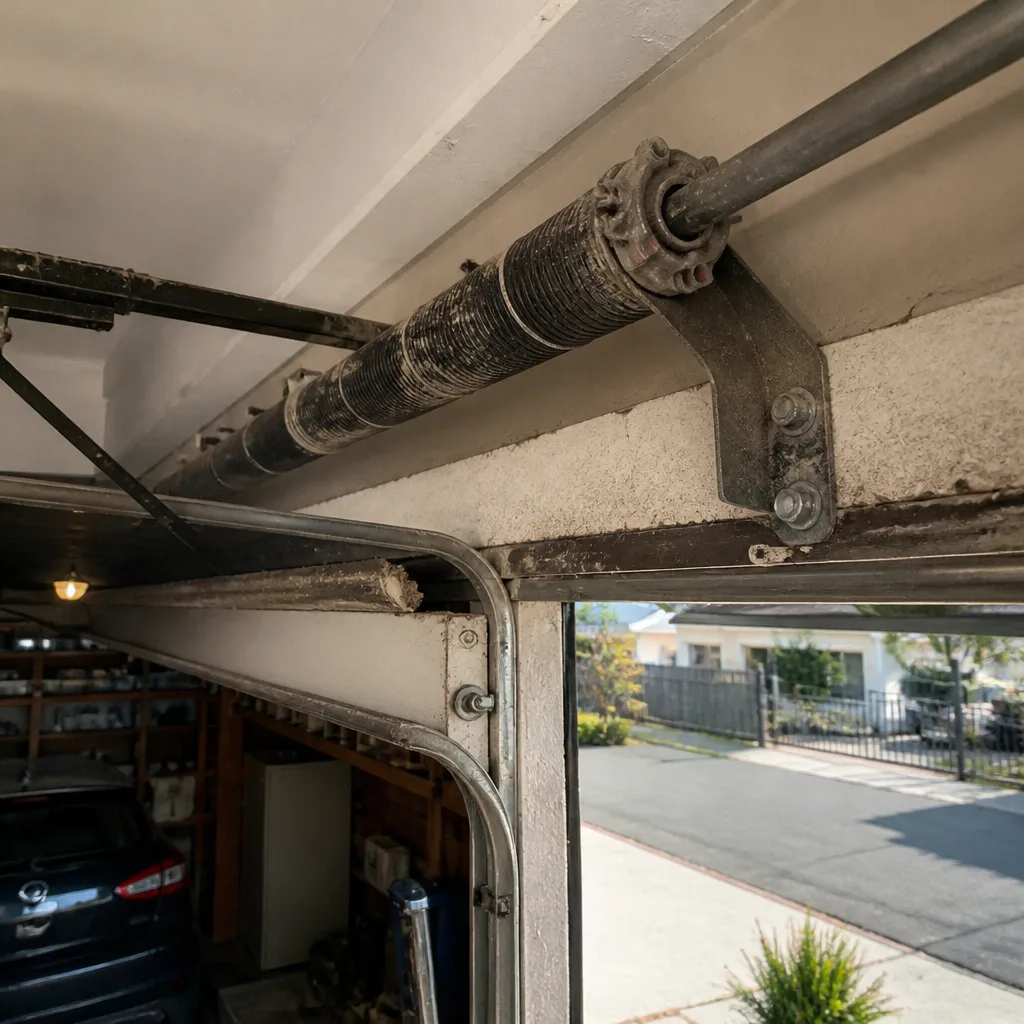 Before
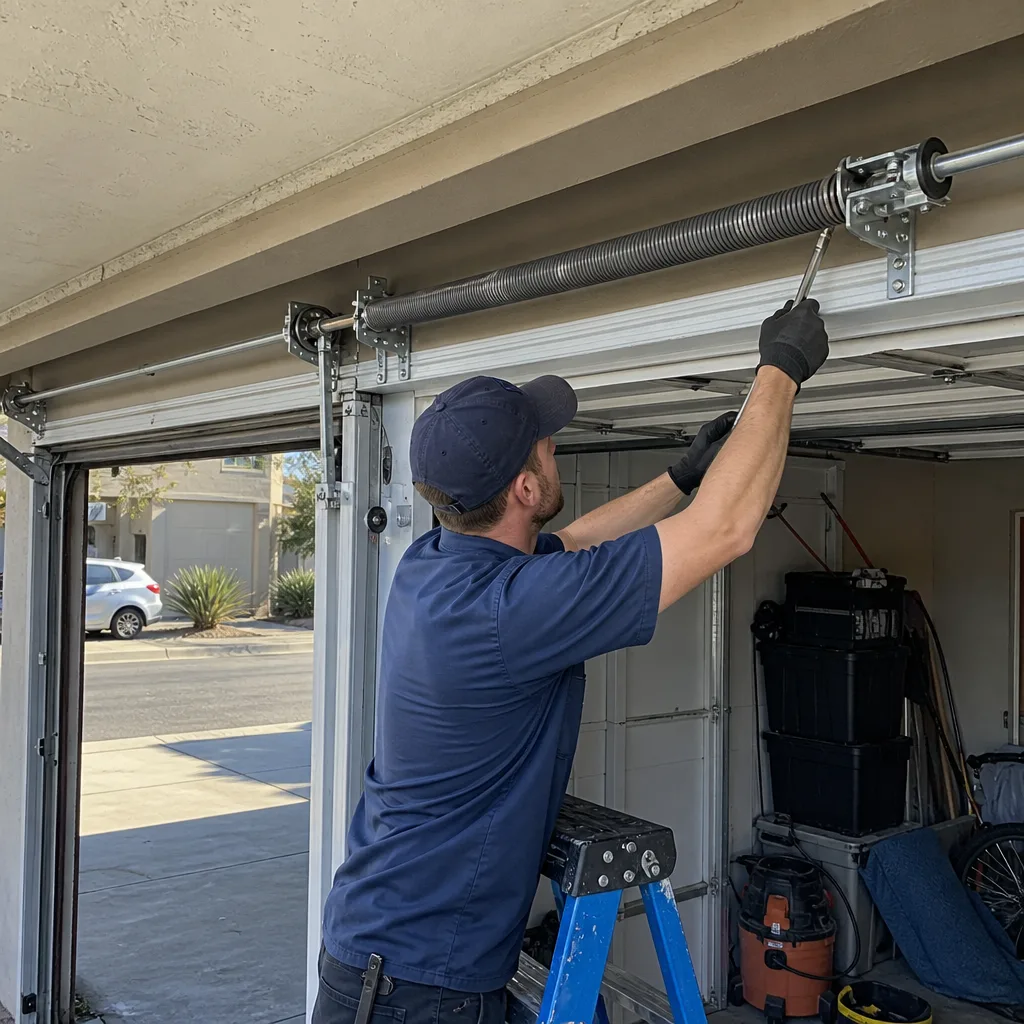 After
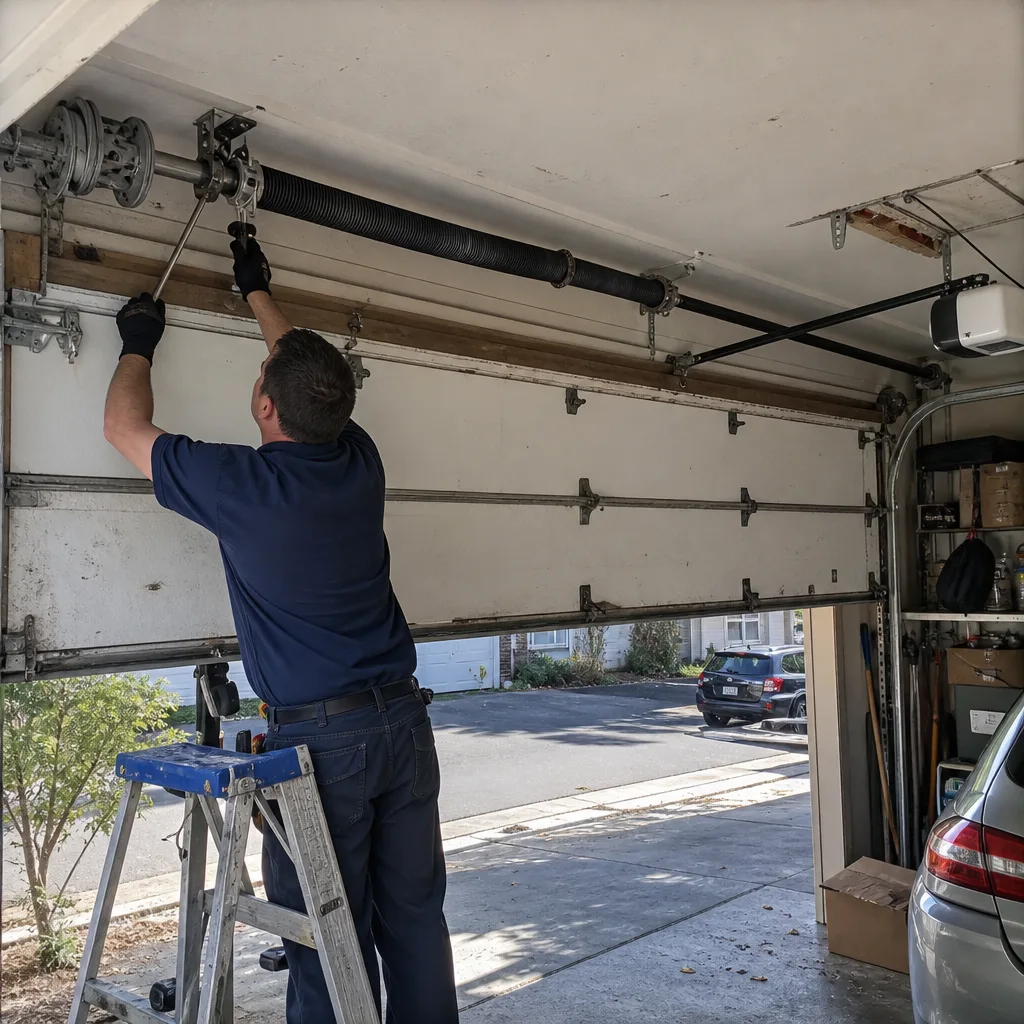 Before
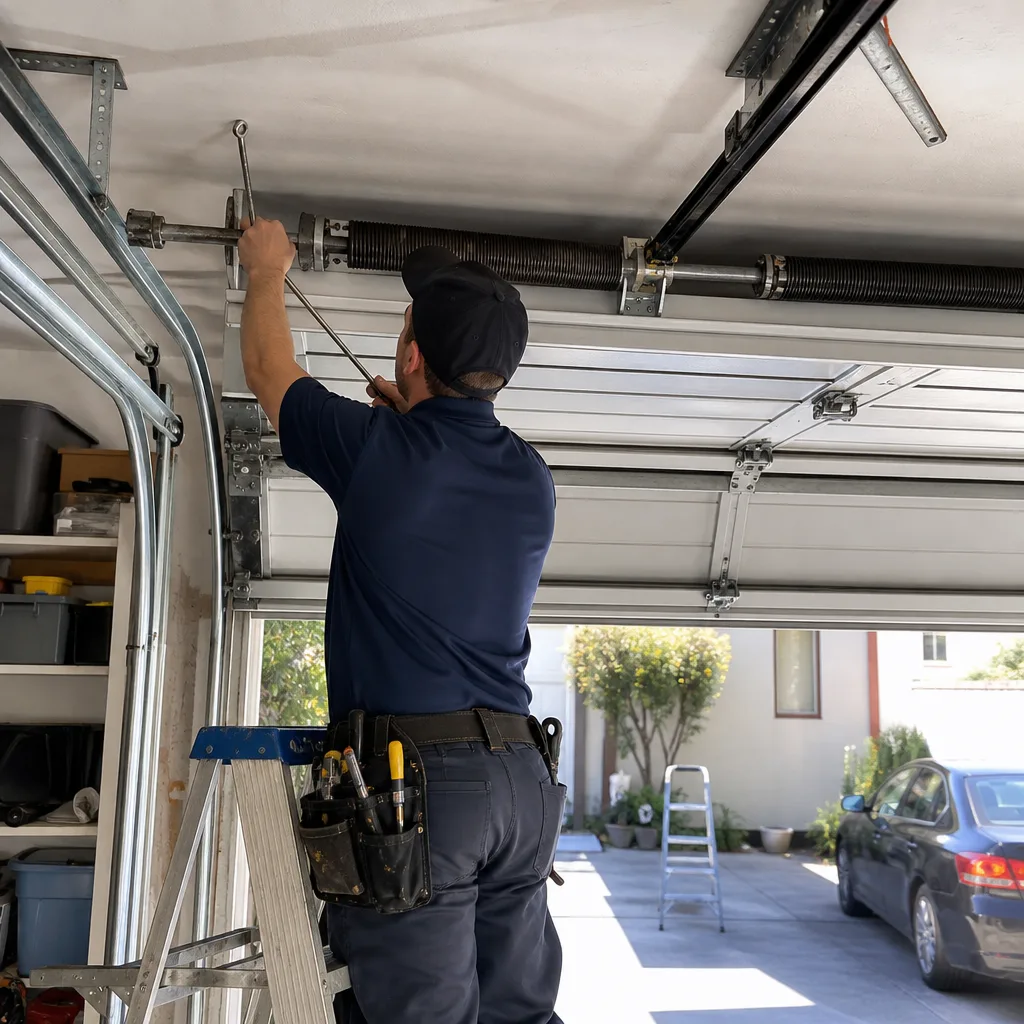 After
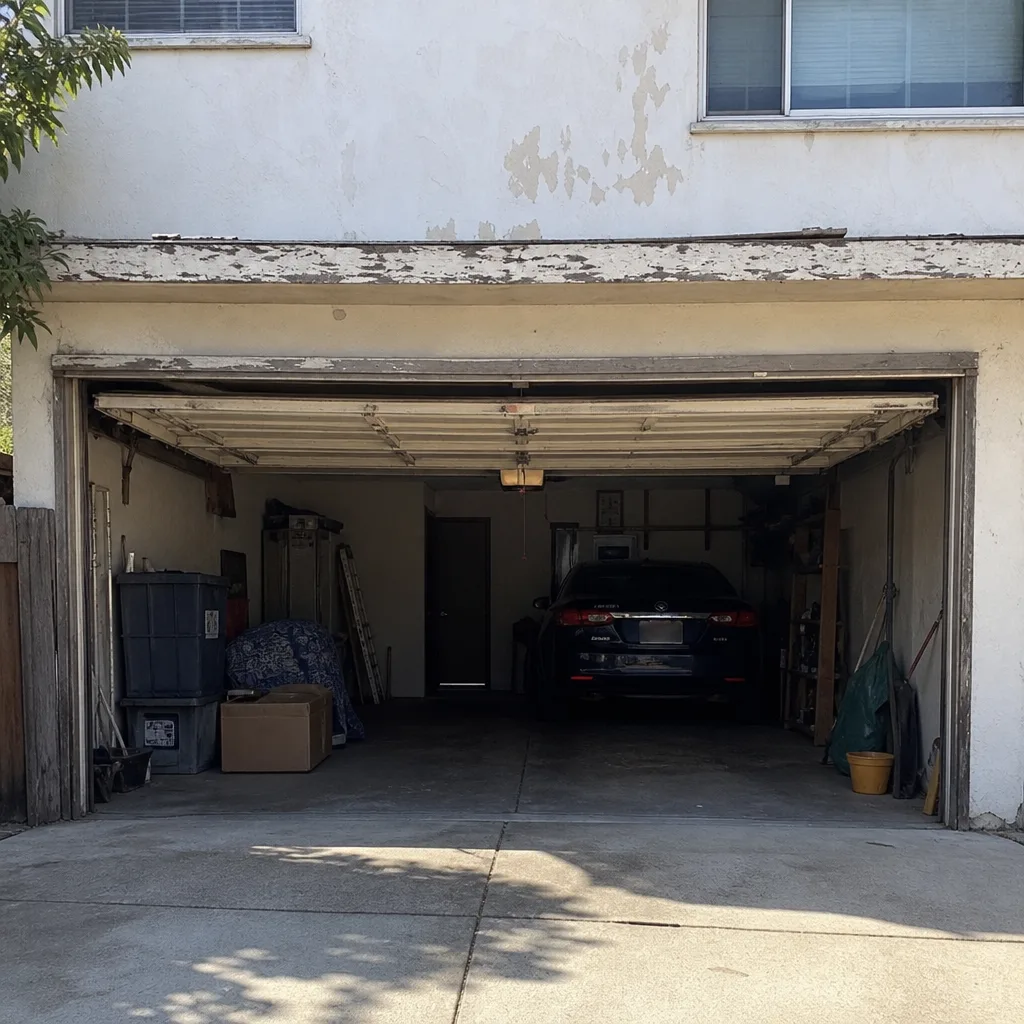 Before
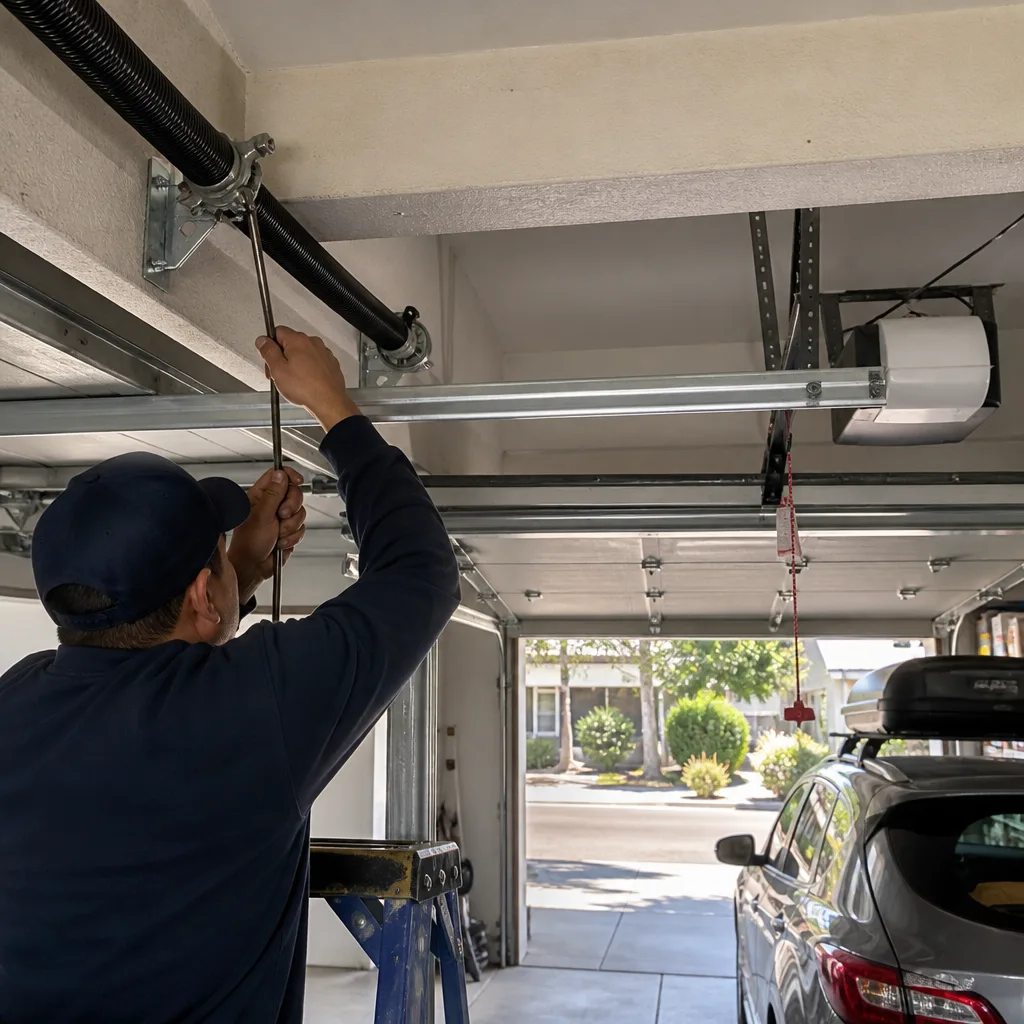 After