
Last updated November 2, 2026
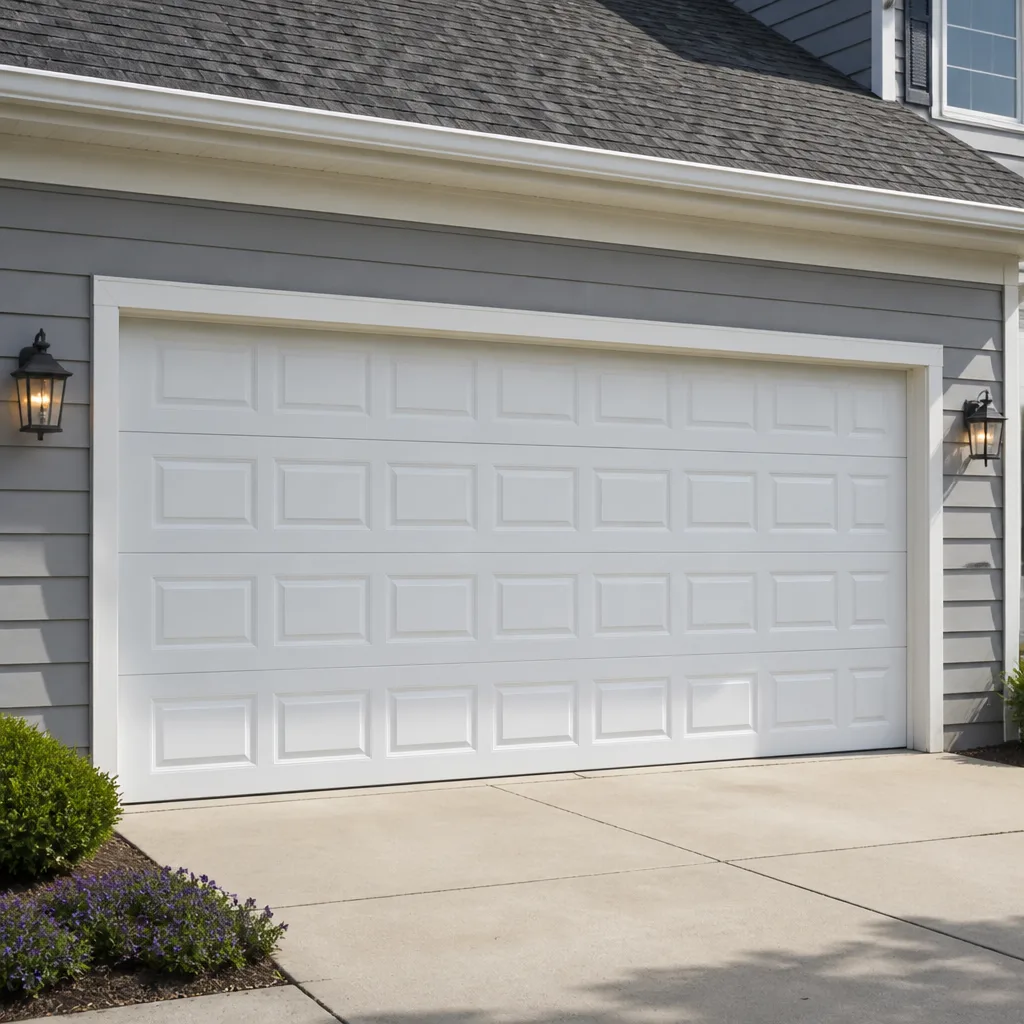 Raised-panel steel
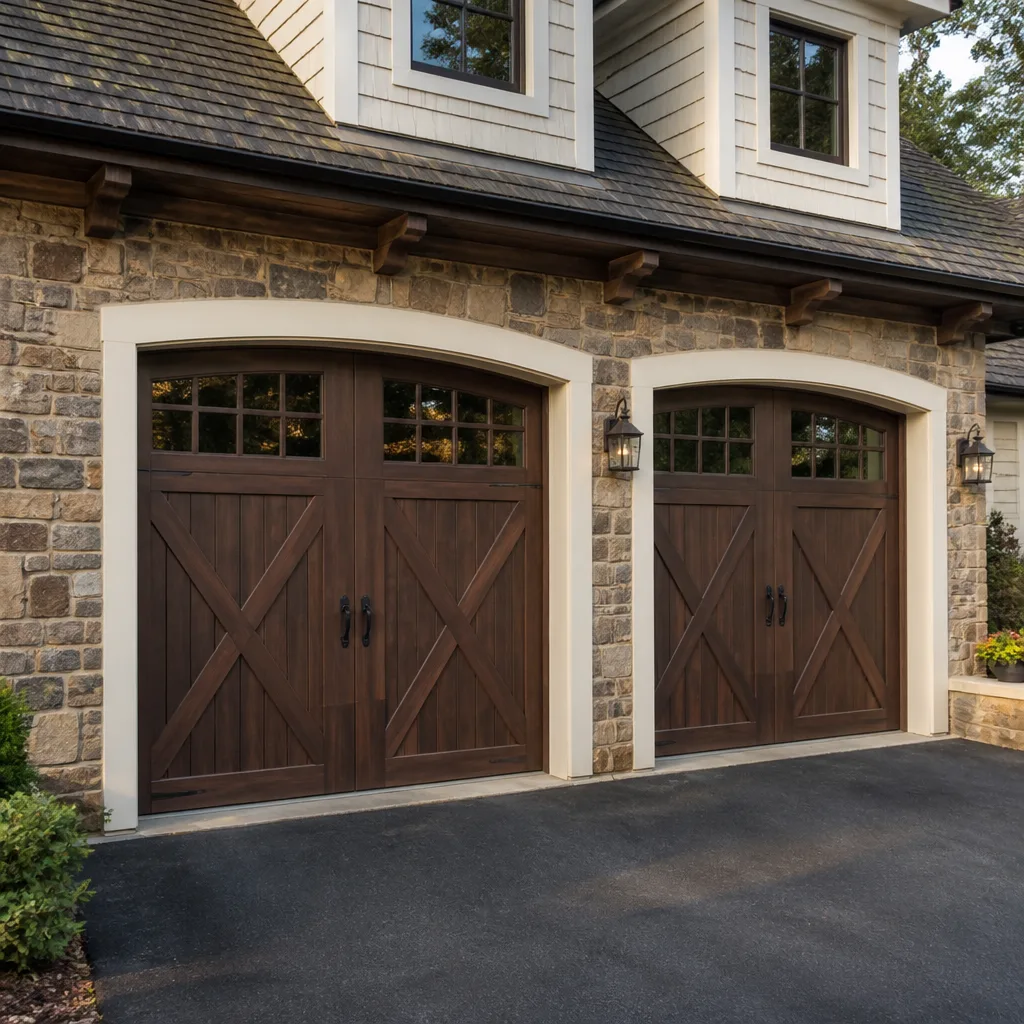 Carriage house
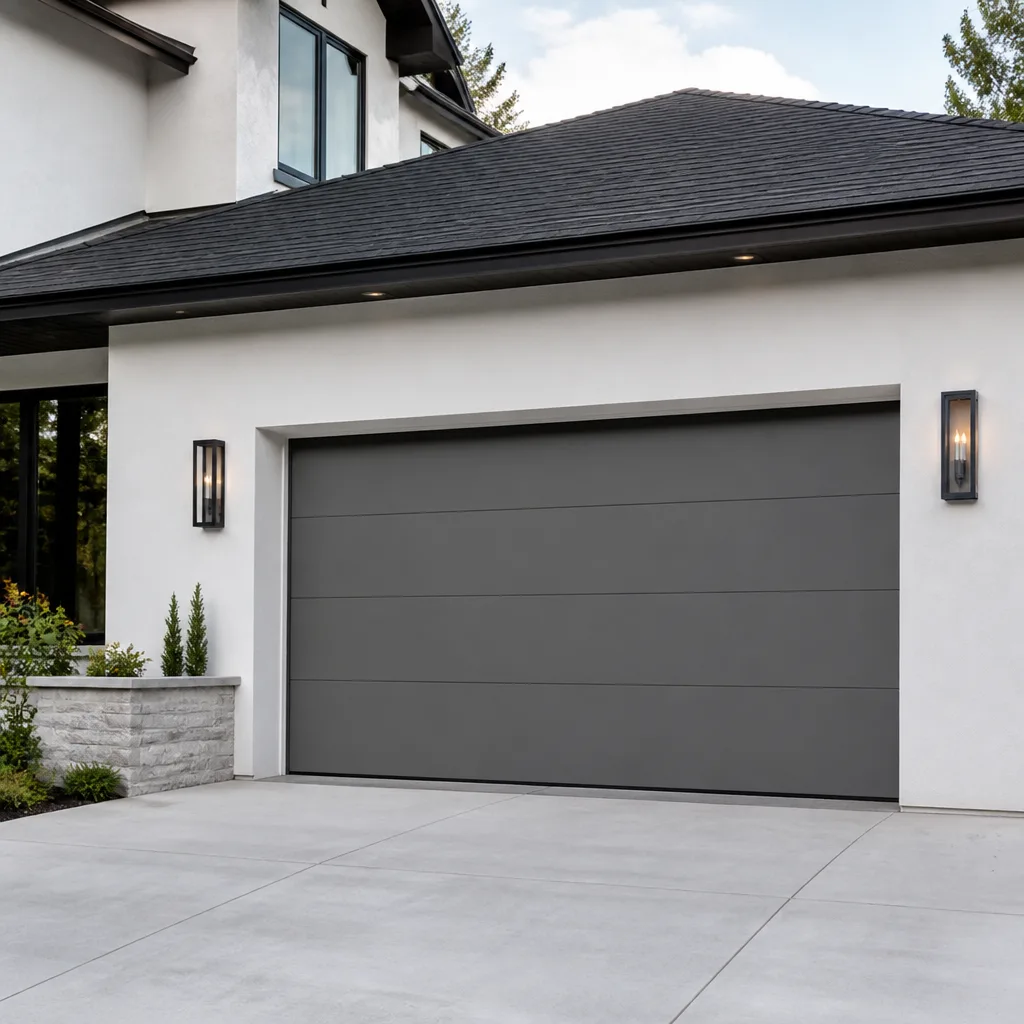 Modern flush
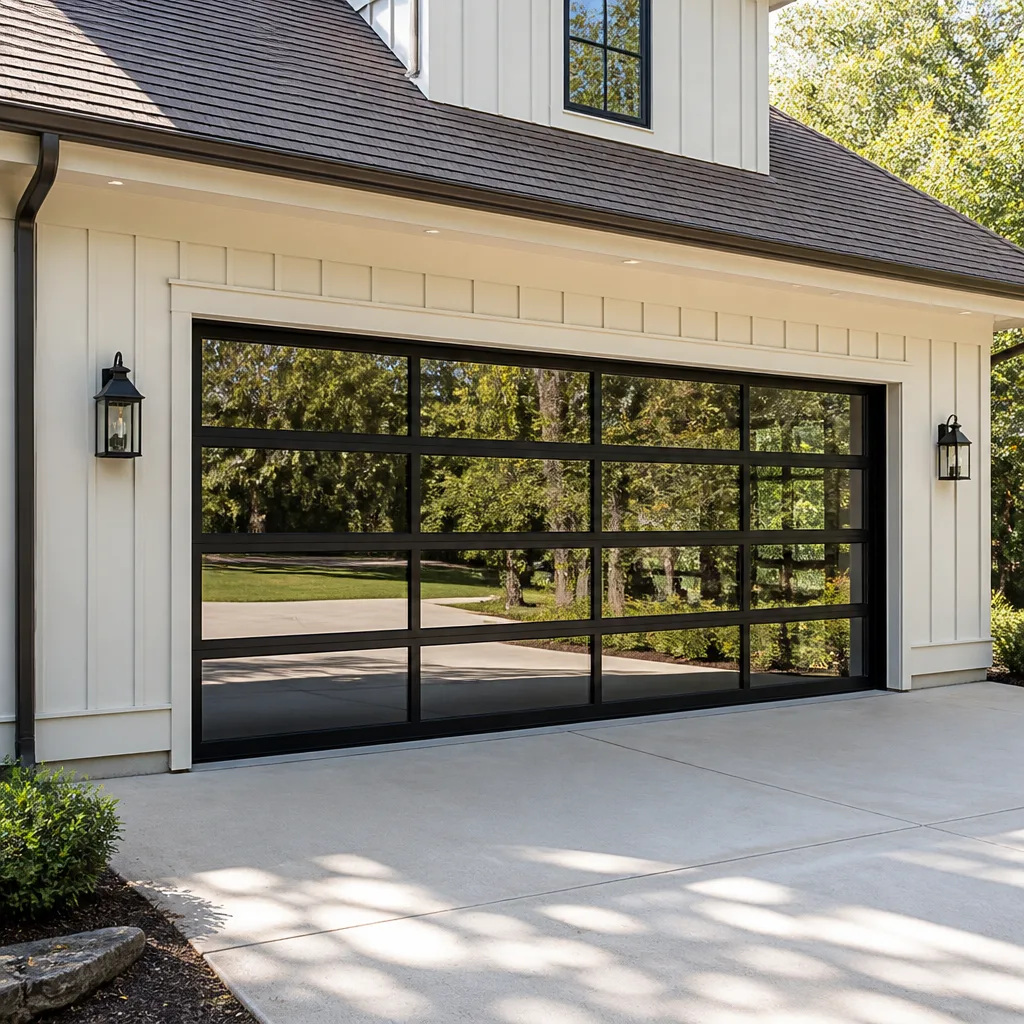 Full-view glass
 LiftMaster openers
 Chamberlain openers
Full 25-point door and opener safety check with every visit - springs, cables, rollers, tracks, and your LiftMaster or Chamberlain opener included
You get a price before we start. It does not change when the truck arrives.
Get your free estimateDIY vs Professional Garage Door: The Downtown San Diego Homeowner’s Decision Guide
Torsion spring replacement is the most-searched DIY garage door task in America. It’s also the one most likely to put a homeowner in urgent care. In a Downtown San Diego rowhouse with shared walls, a 200-pound steel door, and an HOA that reads governing documents like scripture, the calculus changes completely. This guide walks through every common garage door task, separates what’s genuinely doable from what’s genuinely dangerous, and explains how building access, HOA covenants, and insurance fine print shape the DIY-versus-pro decision in ways most cost guides for Downtown San Diego miss entirely.
Styles & brands we work with
- Raised-panel steel
- Carriage house
- Modern flush
- Full-view glass
- LiftMaster openers
- Chamberlain openers
Quick Answer
For most Downtown San Diego homeowners, the safe dividing line is straightforward: lubrication, sensor alignment, weatherstripping, and remote programming are reasonable DIY tasks. Anything involving torsion or extension springs, cable replacement, track realignment, or structural component work should be handled by a trained technician. The deciding factors in Downtown San Diego specifically aren’t just skill level, they’re shared-wall liability, HOA modification rules, and whether your homeowner’s policy will stand behind self-performed work if something fails.
Table of Contents
- The Real Variables: Why Downtown San Diego Changes the DIY Equation
- What a Reasonably Handy Homeowner Can Safely Do
- What Requires Professional Work: The Dangers and the Why
- How HOA Governing Documents in Downtown San Diego Treat DIY Work
- The Liability Gap: What Your Insurance Actually Covers
- Which Brands Have DIY-Friendly Diagnostics That Reduce Service Calls
- When a Second Opinion on a DIY Diagnosis Saves Money Versus Wastes It
- Common Mistakes to Avoid
- When to Call a Professional
- Frequently Asked Questions
- The Bottom Line
The Real Variables: Why Downtown San Diego Changes the DIY Equation
Most DIY-versus-professional garage door guides are written for suburban garages with wide driveways, ample clearance, and no one living eight inches from the shared wall. Downtown San Diego is different. The housing stock east of the Gaslamp and north of the ballpark includes a dense mix of converted warehouse lofts, early-1900s row houses, and mid-rise condos where garage access sometimes means navigating an alley, a valet-only courtyard, or a shared elevator vestibule with a weight load rating.
Those constraints change the practical reality of garage door work. A torsion spring replacement that takes 45 minutes in a suburban two-car garage might require suspending the door from a ceiling that was never designed to hold it. A track adjustment that’s routine in a home with a single-family side wall becomes impossible when the track is mounted to a party wall, and that party wall belongs to your neighbor’s unit. Even something as simple as replacing the bottom weather seal gets complicated when the driveway pitch runs water toward a shared entry corridor.
We’ve worked on doors in Downtown San Diego where the entire garage was nine feet wide, and the only place to stand while tensioning a spring was directly underneath the door’s travel path. That’s not a skill problem. That’s a physics problem. The question isn’t whether you could do the task under ideal conditions. The question is whether your building gives you ideal conditions, and in a lot of Downtown San Diego garages, it doesn’t.
Then there’s the HOA layer, where permits, codes, and inspection rules in California intersect with building-specific covenants. A significant portion of downtown residential garages are within communities governed by covenants, conditions, and restrictions that classify garage door work as a modification, not a repair. More on that below, but the short version is that in many downtown buildings, the HOA cares less about how handy you are and more about whether the work was performed by a licensed professional with insurance naming the association as an additional insured. Your skill level was never the gatekeeper in Downtown San Diego. Liability transfer is.
And a note on the urban setting itself. Downtown San Diego’s marine layer means steel components, particularly springs and cables, rust faster than they do in Mission Valley or inland. A spring that looks surface-rusted but structurally sound in Santee might be three seasons closer to failure near the waterfront. We see doors within a mile of the bay that need spring replacement years earlier than identical doors in Bankers Hill. That’s a pattern worth knowing before you decide a rust-stained spring is just cosmetic.
What a Reasonably Handy Homeowner Can Safely Do
The honest answer is that some garage door maintenance is genuinely within reach for a homeowner who owns basic tools and reads instructions carefully. These tasks don’t involve stored mechanical energy, don’t require removing safety components, and don’t create liability if they’re done imperfectly. In Downtown San Diego, they’re also the tasks that make the most practical sense to tackle yourself, because scheduling a service call for a five-minute adjustment is a waste of everyone’s time.
DIY-Safe Task List
- Lubrication: White lithium grease on the hinges and rollers, silicone spray on the torsion springs, and a light oil on the lock mechanism. This is a once-a-year maintenance task that takes 15 minutes and prevents the most common cause of noisy doors. If your garage is within half a mile of the harbor, do it twice a year.
- Photo-eye sensor alignment: If your door reverses immediately or won’t close, the sensors at the base of each track are often just nudged out of alignment. A small twist of a Phillips screwdriver or a gentle push back into position fixes the majority of these issues. The sensors themselves are low-voltage and safe to handle.
- Remote and keypad programming: Replacing batteries, re-syncing a remote, or programming a new LiftMaster or Chamberlain remote is documented thoroughly in the manuals and takes minutes. There’s no mechanical work involved.
- Weatherstripping replacement: The rubber seal along the bottom of the door and the vinyl strips on the sides wear out and pull away. Replacing them is stapling or sliding new material into a groove. It doesn’t touch the door’s mechanical system.
- Track cleaning: Wiping down the inside of the vertical and horizontal tracks with a rag and mild cleaner removes the buildup that makes rollers bind. This is safe as long as you’re not loosening track bolts or trying to bend anything back into shape.
- Visual inspection: Knowing what a failing spring, fraying cable, or worn roller looks like is the single most useful DIY skill. It helps you catch problems before they strand your car inside the garage.
The common thread here is that none of these tasks requires you to release tension, lift heavy components off their mounts, or work in the door’s fall zone while it’s under load. A weather seal isn’t going to store 150 pounds of kinetic energy. A torsion spring is, and that’s the line you do not cross.
What Requires Professional Work: The Dangers and the Why
Here is where the guide gets direct. There are components on a garage door that will injure or kill you if something goes wrong, and the margin for error is measured in inches and seconds. Homeowners ask us all the time if they can just watch a YouTube video and replace their own springs, even without an emergency preparedness plan for when garage door failures strand vehicles. In our experience, the answer is no, and not because we’re protective of the work. It’s because we’ve repaired doors after a spring let go mid-installation and the wound is memorable.
Professional-Only Task List
- Torsion spring replacement: The torsion spring sits on a metal shaft above the door and stores all the energy that lifts the 150-to-200-pound door. That spring is wound under tension, and if a winding bar slips during installation or removal, the spring unwinds violently. This is the number one cause of garage-door-related injury in the United States. Professionals use matched winding bars, follow a strict winding sequence, and know how many quarter-turns the spring requires for the door’s weight and height. A half-turn mistake means the door doesn’t balance; a slip means a trip to the hospital.
- Extension spring replacement: Older doors in some Downtown San Diego buildings, particularly converted industrial lofts, use extension springs that run alongside the horizontal tracks. These stretch under load, and when one fails, the two halves of the spring fly in opposite directions. The safety cable that runs through the center of the spring must be present and properly anchored before anyone works on it. Homeowners die from removing an extension spring without a safety cable. That’s not hyperbole.
- Cable replacement: The cables that run up the sides of the door are under full tension when the door is closed. If a cable snaps while you’re underneath the door, the door drops and the loose cable can whip. Replacing cables requires releasing spring tension safely, and it’s never done on a door that’s propped open with a trash can or a ladder.
- Track repair or realignment: A bent track, or a track that’s come loose from the wall, means the rollers are no longer seated correctly. Attempting to hammer a track back into shape while the door is still in the track under spring tension is a guided missile waiting to happen. Tracks need to be inspected for fatigue at the bends and mounting points, not just straightened.
- Opener drive gear or logic board replacement: A Genie screw drive with a stripped gear, a LiftMaster belt drive with a burned-out logic board, a Chamberlain unit with a dead capacitor: these repairs involve electrical components that carry line voltage, and the opener’s manual release is designed to work only when the door is properly balanced. An untrained hand can easily create a situation where the opener tries to lift a door it can’t control.
- Section or panel replacement: A damaged bottom section on a Clopay or Amarr door means the door’s structural integrity is compromised, and removing that section changes the door’s weight and balance. Doors are manufactured as systems. Swapping a section without rebalancing the springs means the next opener cycle is a gamble.
The core safety caveat: torsion and extension springs are under enough load to shatter bones, and the door they lift weighs more than most adults. If you’re not trained to identify the tension state, the correct winding direction, and the failure mode, do not touch these components. Our technicians train for months before working on springs unsupervised, and even then, the safest part of the job is knowing exactly what not to do.
And in Downtown San Diego specifically, the wall anchoring question matters. Many downtown garages have track mounting points in concrete or block walls with expansion anchors. When a track bolt starts pulling out, the entire system shifts under load, and the safe fix isn’t a longer screw, it’s a re-anchored mount with the right fastener for the substrate. That’s not a weekend project. That’s a call to someone who knows how concrete anchors fail.
How HOA Governing Documents in Downtown San Diego Treat DIY Work
If you live in a Downtown San Diego condo building, loft community, or rowhouse with a homeowners association, the most important document in your garage isn’t your owner’s manual. It’s your CC&Rs, the covenants, conditions, and restrictions that govern what you can and cannot do to your property. And the language in those documents is often written so broadly that garage door work falls under “architectural modification” even when the only change is a spring.
Here’s the pattern we see in downtown buildings. The CC&Rs define exterior elements, and in many communities, the garage door is classified as an exterior element or a limited common element. Limited common means the door serves your unit, but the association retains some authority over its condition and appearance. Once the door is classified that way, any work beyond routine maintenance can trigger a review requirement. And here’s the specific problem for DIY homeowners: many Downtown San Diego HOAs require proof that modification work is performed by a licensed contractor with insurance, and some require the association to be named as an additional insured on that contractor’s policy.
A homeowner performing unpermitted DIY work on a component the HOA classifies as a limited common element isn’t just risking a fine. They’re potentially violating the CC&Rs in a way that can become a lien issue. We’ve seen owners with a quarter-inch of paperwork on a spring replacement who never realized the HOA’s “no modification without written approval” clause applied to mechanical work, not just paint colors. It does, in more buildings than you’d think.
Some downtown communities also have rules about working hours, shared garage noise, and equipment staging. A torsion spring job in a shared garage requires running a ladder, winding bars, and sometimes a work light. Do that at 7 a.m. on a Saturday and you might violate a quiet-hours covenant before you’ve even begun. The practical discomfort of DIY in a shared garage, where neighbors are parking, cycling, walking dogs, and asking questions, is also real.
The final layer is the building envelope. In some converted warehouse lofts in downtown, the garage door is part of a historic structure or a masonry building where the original openings aren’t standard sizes. Replacing that door might require the HOA, and sometimes the city’s historical resources board, to review the work. Amarr and Clopay both make contemporary-styled doors that fit unusual openings, but approval processes don’t move quickly, and they don’t care how motivated you are.
The Liability Gap: What Your Insurance Actually Covers
Most homeowners assume their insurance policy covers whatever happens in and around their home. That assumption is wrong in a specific and consequential way when it comes to self-performed garage door work. The gap between what you think your policy covers and what it actually covers is where financial disasters live.
Standard homeowners insurance in California generally covers sudden and accidental damage to your property, subject to deductibles and policy exclusions. If a garage door spring snaps and the door falls on your car, that’s typically a covered loss. But if the spring snapped because you replaced it yourself three months ago and installed it improperly, the insurer’s investigation will almost certainly find that the loss was caused by faulty workmanship or negligent maintenance. Most policies exclude losses caused by the homeowner’s own defective repair work.
The same logic applies to liability. If your garage door falls on a neighbor, or a spring you replaced flies through a shared wall and injures someone, your liability coverage may not respond if the insurer determines the injury was caused by unlicensed, self-performed work that a professional would have done differently. In a Downtown San Diego rowhouse where the neighbor is eight inches away, liability exposure is not a theoretical concern. It’s a physical adjacency problem.
Here’s what covered professional work does differently. When a licensed, insured garage door company performs a repair or installation, that company carries its own general liability insurance. If a technician’s error causes damage or injury, the claim goes to the company’s policy, not yours. Many Downtown San Diego HOAs understand this distinction, which is why their governing documents often require proof of contractor insurance. They’re not being difficult. They’re making sure their building’s liability chain doesn’t dead-end at an uninsured homeowner.
The specific exclusion language varies by carrier and policy, but the general principle holds across the market: self-performed mechanical work on garage doors, especially when it involves the spring system, creates a liability gap that most homeowners never discover until they’re filing a claim and the adjuster starts asking questions about who did the work, when, and with what training. If the answer is “I did it myself after watching a video,” expect the claim to be scrutinized, or denied.
And one more angle specific to Downtown San Diego: if your garage is rented as a parking space to a neighbor, which is common in downtown buildings where parking is scarce, your liability exposure includes your tenant. A self-performed repair that fails while a paying tenant parks under it is a lawsuit with your name on it.
Which Brands Have DIY-Friendly Diagnostics That Reduce Service Calls
One genuinely useful development in the last few years is that several major garage door opener brands have built diagnostic tools into their apps that give homeowners real, useful information without requiring them to touch anything mechanical. In our experience working with all the major brands, the quality of these diagnostic features varies meaningfully, and understanding which brands do it well can save a homeowner a service call, or make the service call you do make much faster.
LiftMaster and Chamberlain, which share the same parent company and app ecosystem, have the most developed self-diagnostic features. The MyQ app reports error codes, beam sensor faults, and force settings, and it logs opener cycles. A homeowner can read that the opener reported Error Code 4-1, which corresponds to a failed safety sensor circuit, and know before calling anyone that the issue is the sensor wiring rather than the motor. That’s a genuinely useful piece of information, and it’s the difference between a five-minute phone diagnosis and a full service call.
Genie’s Aladdin Connect app doesn’t surface error codes as cleanly, but it does report connectivity, battery status, and whether the opener’s force monitoring system has tripped recently. A Genie owner who sees multiple force reversals in a 24-hour period is probably looking at a lubrication problem or a roller binding, not a failed motor. That helps set expectations before anyone shows up.
Craftsman openers, which are manufactured under license and share some DNA with the Chamberlain platform, have anywhere from basic to no app diagnostics depending on the model year. Older Craftsman screw drives predate the app era entirely, and diagnosing them often means listening to the drive motor, which is a learned skill. Wayne Dalton’s TorqueMaster spring system is engineered differently from a standard torsion spring, and the visual wear patterns are also different, which matters if you’re trying to self-diagnose whether the spring is the culprit.
The practical lesson here: before you assume your opener needs a service call, check the app if it has one. A significant percentage of “my opener won’t work” calls resolve with a sensor realignment or a fresh battery in the wall button. That applies in Downtown San Diego as much as anywhere. The five minutes you spend reading the error code is five minutes a technician doesn’t spend chasing the same code on site.
When a Second Opinion on a DIY Diagnosis Saves Money Versus Wastes It
There’s an underappreciated middle ground between “I’ll do everything myself” and “I’ll call a technician for every noise.” That middle ground is a professional second opinion on your own diagnosis. Sometimes it saves hundreds of dollars. Sometimes it’s a service call fee for information you already had. Here’s how to tell the difference in Downtown San Diego’s specific market.
Get a professional second opinion when: the symptom involves a spring, cable, or track, and you’ve narrowed the problem to a specific component but aren’t sure whether replacement is needed or just adjustment. A torque spring that looks saggy but might just need lubrication can be assessed in ten minutes by someone who sees a hundred springs a month. If the answer is “lubricate it,” you’ve paid for a service call and avoided a self-inflicted injury. If the answer is “replace it,” you’ve confirmed a repair you shouldn’t have attempted anyway. Either way, the money is well spent.
Skip the second opinion when: the issue is clearly a dead remote battery, an unplugged opener, a tripped GFCI outlet, or a photo-eye that’s visibly bent from a garbage can strike. These are observable, physical facts, and a technician can’t add information beyond what your eyes already told you. Many of these issues resolve in minutes with zero parts cost.
The specific Downtown San Diego scenario where a second opinion pays off: you’re in an older building with a door that’s noisy, shaking, or closing unevenly, and you’re not sure if it’s a failing spring, a cracked roller, a loose track, or the building settling. The diagnostic difference between those causes is genuine: a spring is several hundred dollars, a loose track might be a re-anchoring job, and a building-settlement issue might be structural and outside the door entirely. Knowing which one you’re dealing with before you spend money is worth the service call fee. Acting on a guess is how homeowners end up replacing a spring that wasn’t failing while the real problem, a wall-anchor problem, gets worse in the background.
One more thing on the no-charge side of the equation. Garage Door Repair in Downtown San Diego sometimes starts with a phone conversation where a homeowner describes symptoms and we can route the visit correctly, opener repair versus door repair, spring work versus track work, before anyone drives downtown. That pre-qualification is free and it often changes the scope of the visit.
Common Mistakes to Avoid
- Attempting spring work without understanding the tension state. A torsion spring that is unwound looks identical to one that is fully wound. Touching, loosening, or cutting a wound spring is the most common way homeowners hurt themselves. If you don’t know how to read the spring’s tension, you don’t touch it.
- Believing the homeowner’s insurance policy covers DIY repair failures. Most policies exclude damage caused by defective self-performed work. In a Downtown San Diego shared-wall building, the neighbor-adjacent liability makes this mistake dramatically more expensive.
- Ignoring HOA modification rules because the work is mechanical. Many downtown CC&Rs treat garage door components as limited common elements. From our work in downtown garages, we can tell you the fine schedule in some buildings exceeds the cost of a professional spring replacement.
- Using the wrong ladder or propping techniques under a loaded door. A door suspended on a trash can or a step stool is not suspended. If the spring lets go, the door comes down and whatever was under it becomes flat. Professionals use matched lifting equipment and a second person.
- Applying penetrating oil to nylon rollers. Nylon rollers have sealed bearings. Oiling them washes out the factory grease and ruins the bearing. The correct treatment is to replace the roller, not drown it in WD-40.
- Assuming all openers have the same diagnostic process. A Garage Door Opener Repair in Downtown San Diego call for a Genie screw drive looks different from a LiftMaster belt drive visit. If you’ve misidentified the opener’s drive type, you’ll misdiagnose the symptom before you even start.
- Delaying a spring replacement because the door still opens. A door that opens with a broken spring is being lifted by the opener’s motor alone, which the motor isn’t designed to do. Every additional cycle wears down the opener’s gear and turns a $350 spring replacement into a $700 spring-plus-opener job.
When to Call a Professional
Call a professional if the task involves any spring, cable, track mounting, or structural section work. Call a professional if your Downtown San Diego HOA requires proof of licensed, insured contractor work for any modification to the garage. Call a professional if the door is making sounds, shaking, or operating unevenly and you can’t identify the cause. Call a professional if you’ve already attempted a repair and the problem returned or changed. Call a professional if your garage is a converted industrial space with non-standard door dimensions or original hardware from the building’s warehouse era. Willow Garage Door Repair offers free estimates in Downtown San Diego. Call (866) 321-6057 and we’ll give you a straight answer on what the job needs and what it costs, quoted and agreed before any work starts.
Frequently Asked Questions
Garage door spring replacement in Downtown San Diego typically runs from $220 to $380 for a standard torsion spring setup, though the final price depends on door weight, spring wire size, and accessibility. Garage Door Installation in Downtown San Diego projects involving custom or heavy doors can run higher. Call (866) 321-6057 for an exact quote, free and provided before any work starts.
No. Torsion and extension springs are under enough load to cause serious injury or death, and the winding process requires specific tools and training. In Downtown San Diego specifically, the confines of many garages make the work more dangerous than in an open suburban garage, and the wall anchoring and HOA considerations add complications that make self-performed spring work a poor risk.
In many downtown communities, the HOA’s CC&Rs require proof of licensed, insured contractor work for garage door modifications, and some require the association to be named as an additional insured. Your specific answer depends on your governing documents, but the pattern across downtown buildings is consistent enough that self-performed mechanical work often violates the rules even when it’s done well.
Lubrication, sensor alignment, remote and keypad programming, weatherstripping replacement, track cleaning, and visual inspections are all considered safe DIY tasks. None of them involve stored mechanical energy or require working under a loaded door.
Yes. LiftMaster and Chamberlain openers with MyQ report error codes and sensor faults through the app. Genie’s Aladdin Connect reports battery status and force reversals. Craftsman openers vary by model year, and older Wayne Dalton TorqueMaster systems show distinct visual wear patterns instead of error codes. Checking the app before calling can save a service call or make the visit faster.
In most cases, no. Homeowner’s policies typically exclude damage caused by defective or negligent self-performed work. If the failure damages a neighbor’s property or injures someone in a shared-wall building, the liability gap can be significant. Licensed professional work carries the company’s own liability insurance instead.
Willow Garage Door Repair serves Downtown San Diego with same-day scheduling for most repair calls. For installation projects, the process includes a free measure and a written price before any work is scheduled. Call (866) 321-6057 and we’ll talk through your specific situation.
The Bottom Line
The DIY-versus-professional decision for Downtown San Diego garage doors isn’t really a skill test. It’s a question of stored energy, shared walls, governing documents, and insurance fine print. Safe DIY work includes lubrication, sensors, weatherstripping, and programming. Professional work includes everything with a spring, a cable, a track mounting, or a live electrical component. In Downtown San Diego’s dense housing stock, the constraints are tighter: HOAs often require licensed work, shared walls make liability real, and the marine air accelerates wear in ways that reward an experienced eye. When in doubt, call (866) 321-6057 and get a straight answer. The estimate is free, the explanation is plain English, and we’ll never recommend a repair you don’t need.
Written by the team at Willow Garage Door Repair, serving Downtown San Diego since 2013. For more guides & resources, visit our blog.
See the difference
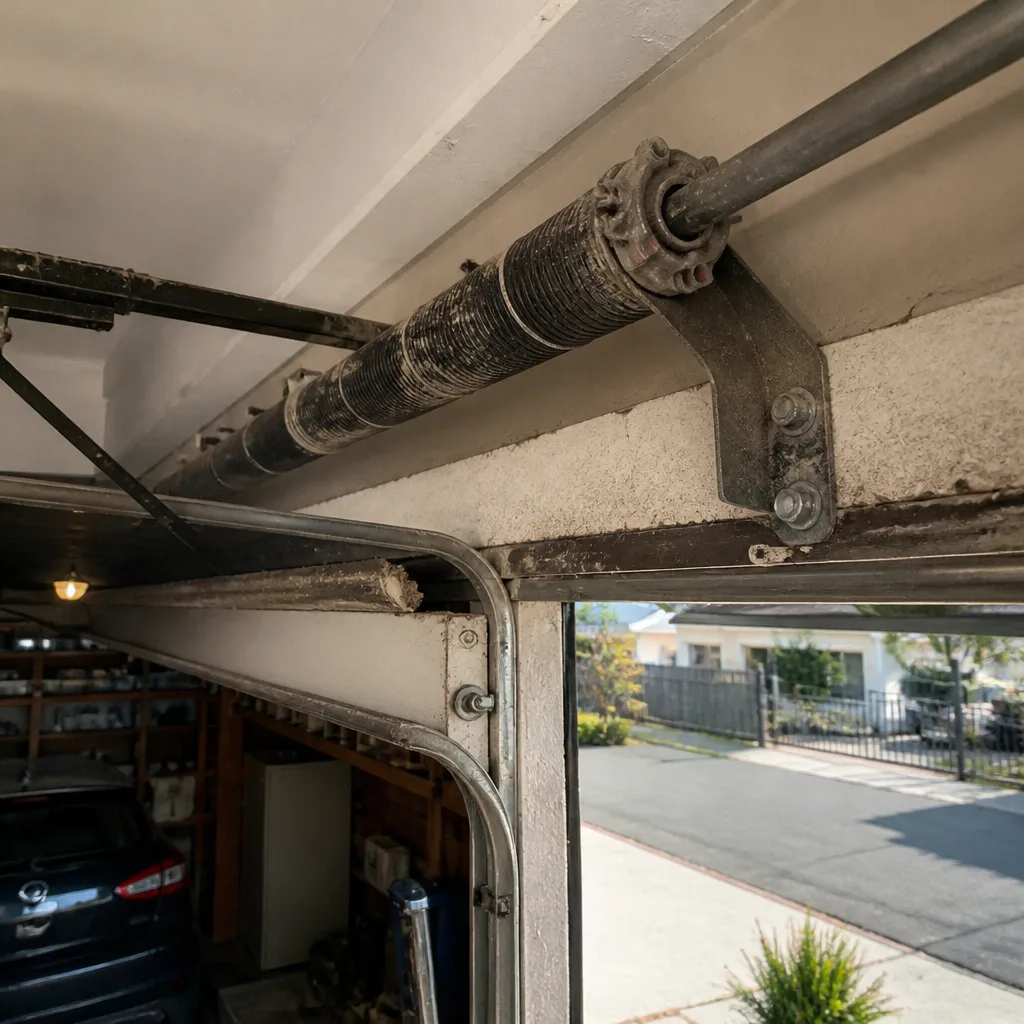 Before
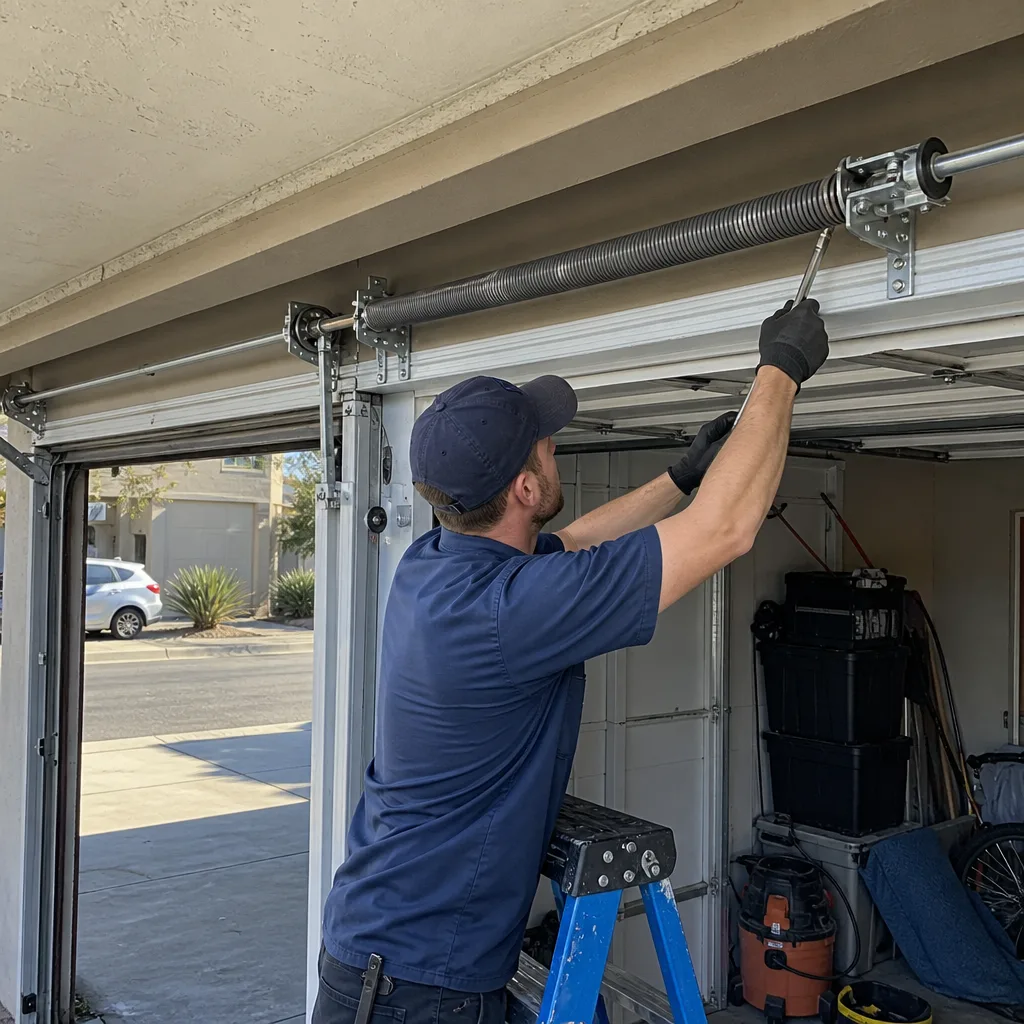 After
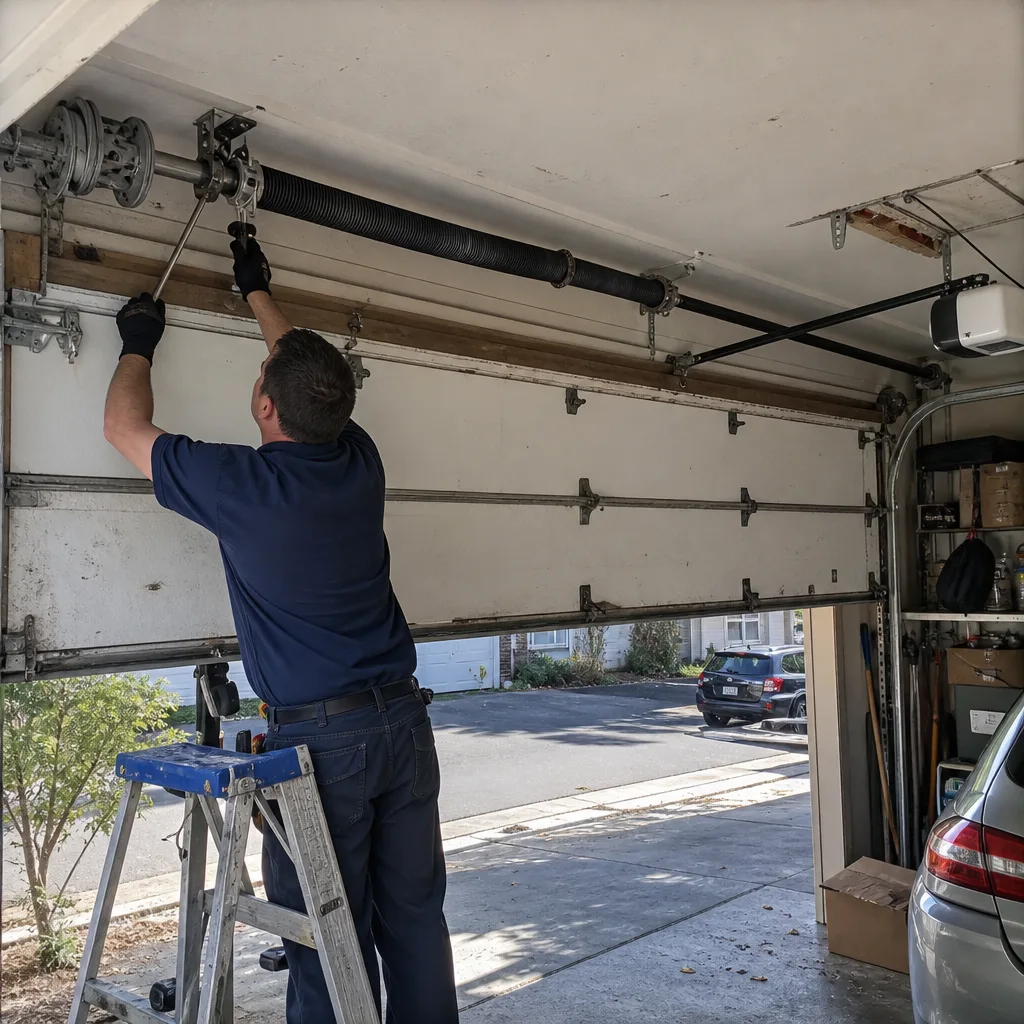 Before
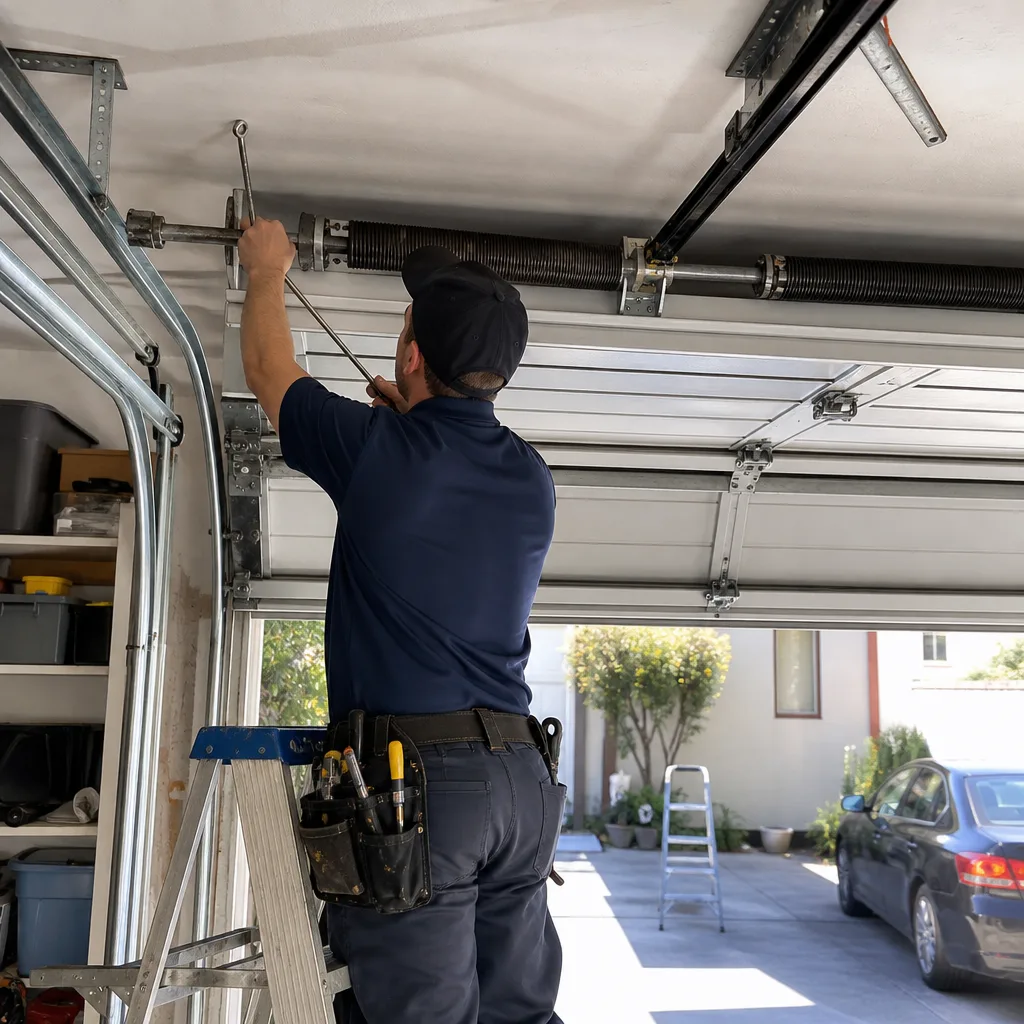 After
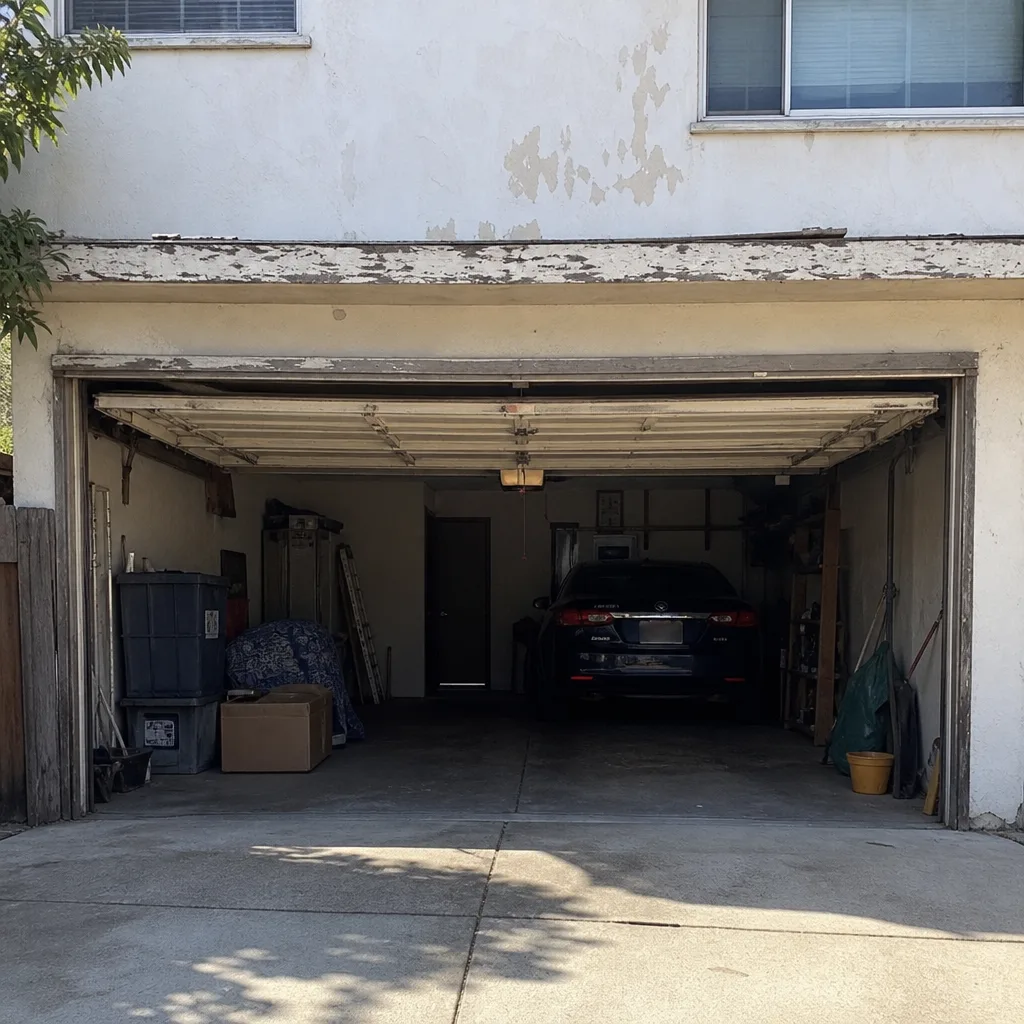 Before
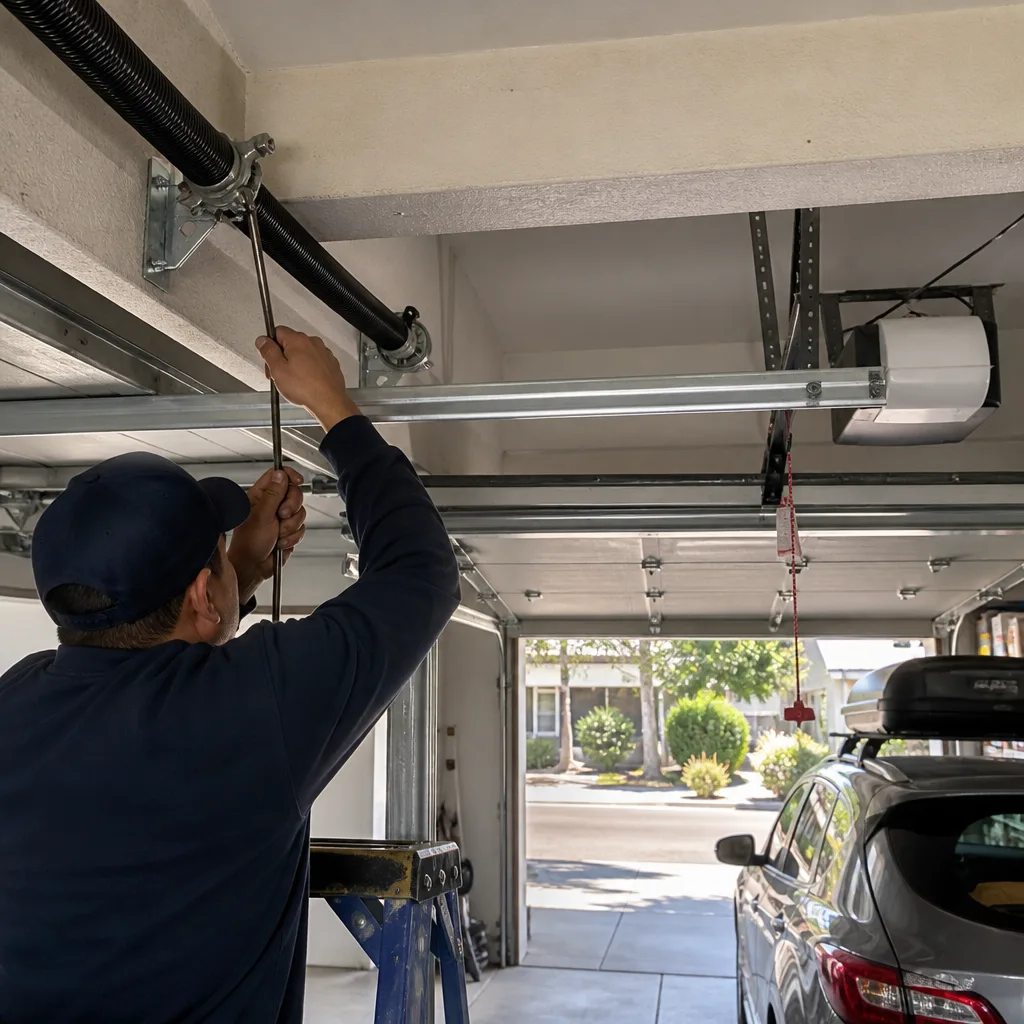 After