
Last updated November 2, 2026
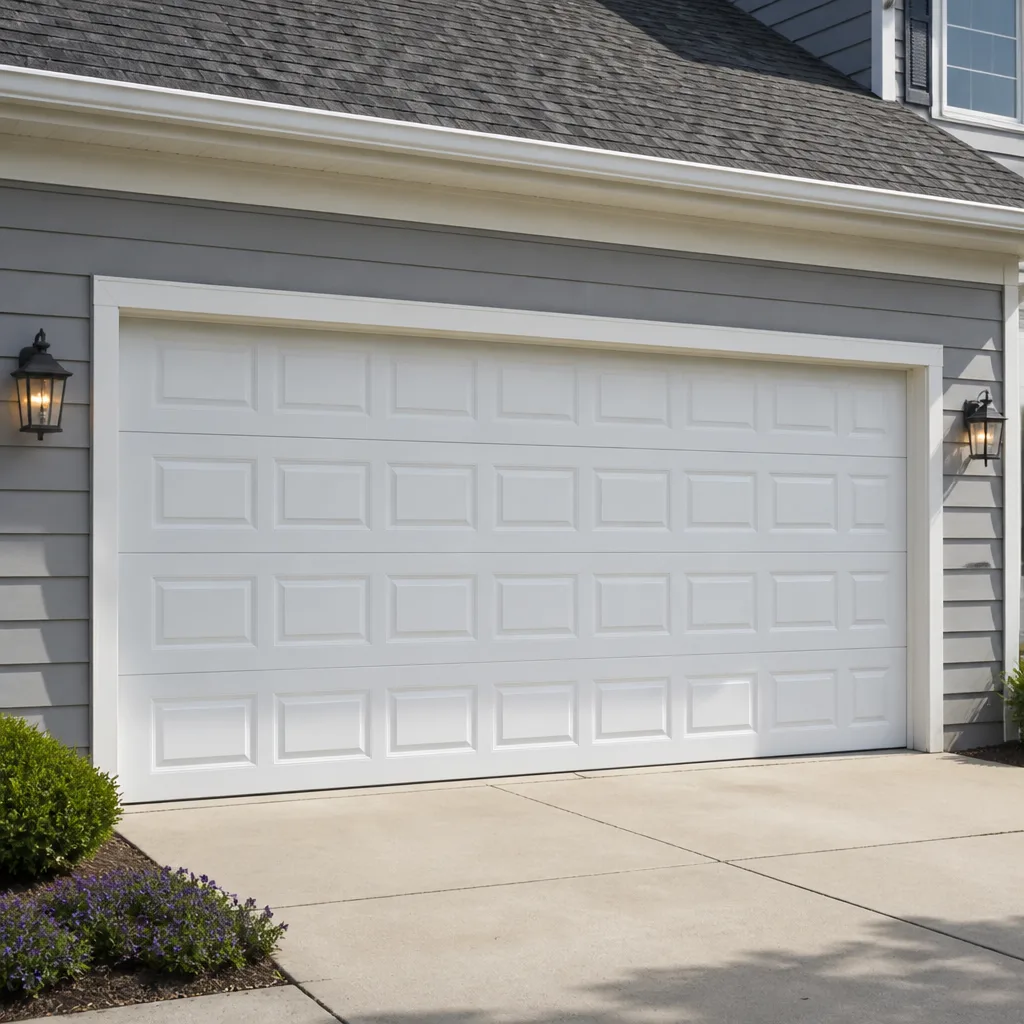 Raised-panel steel
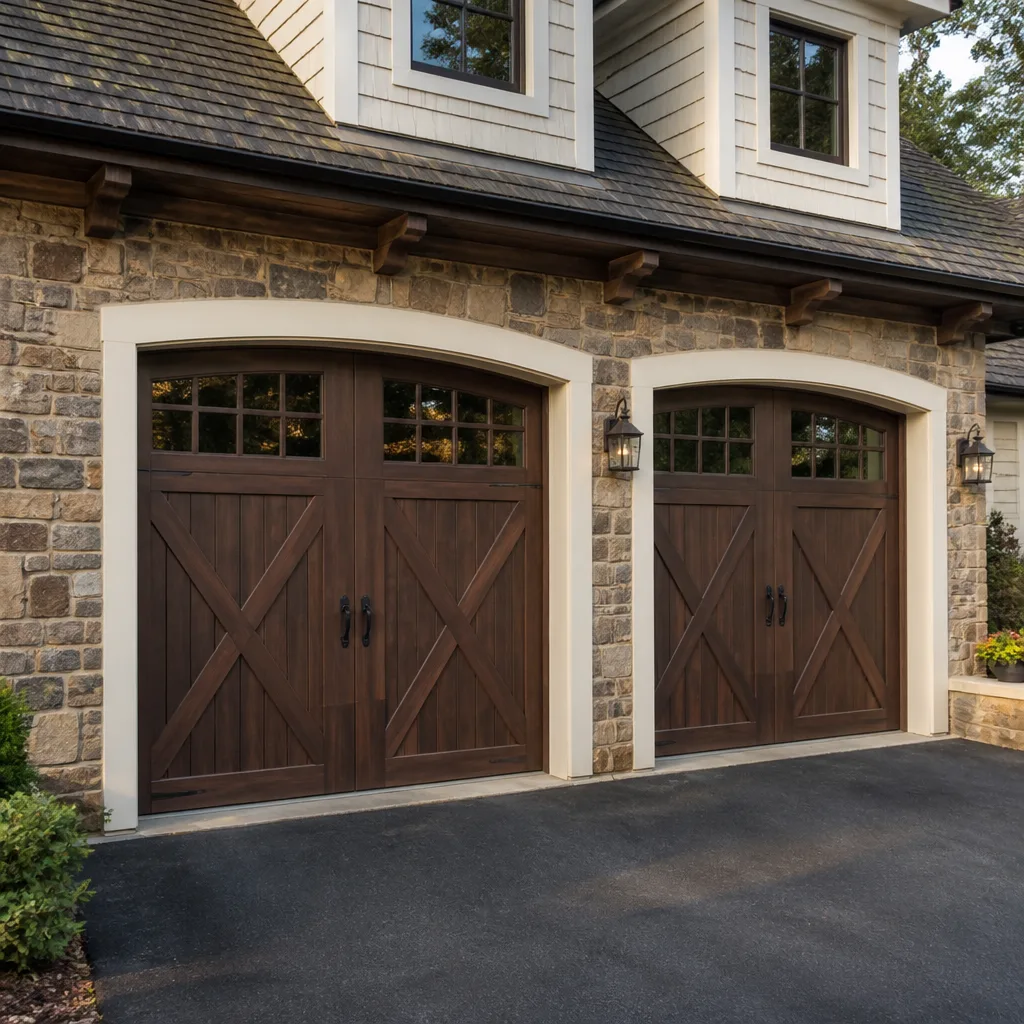 Carriage house
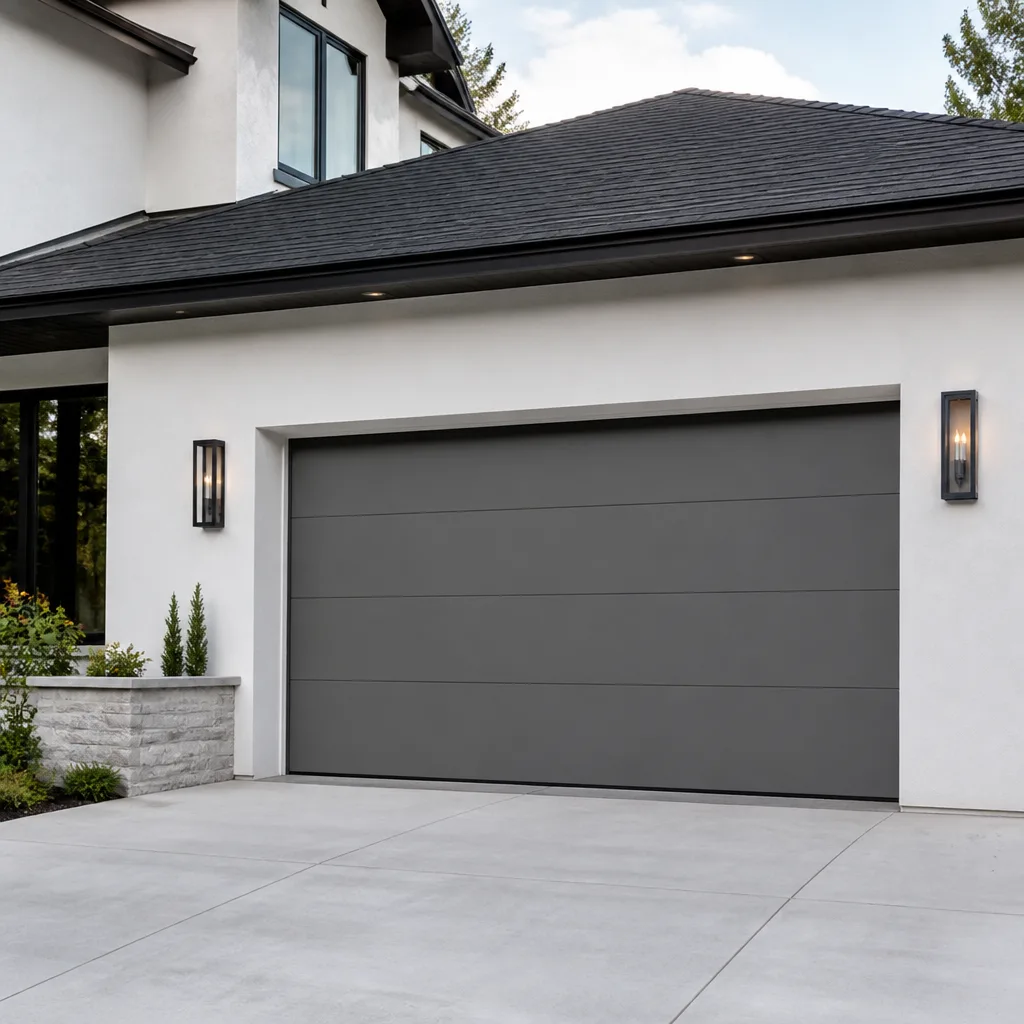 Modern flush
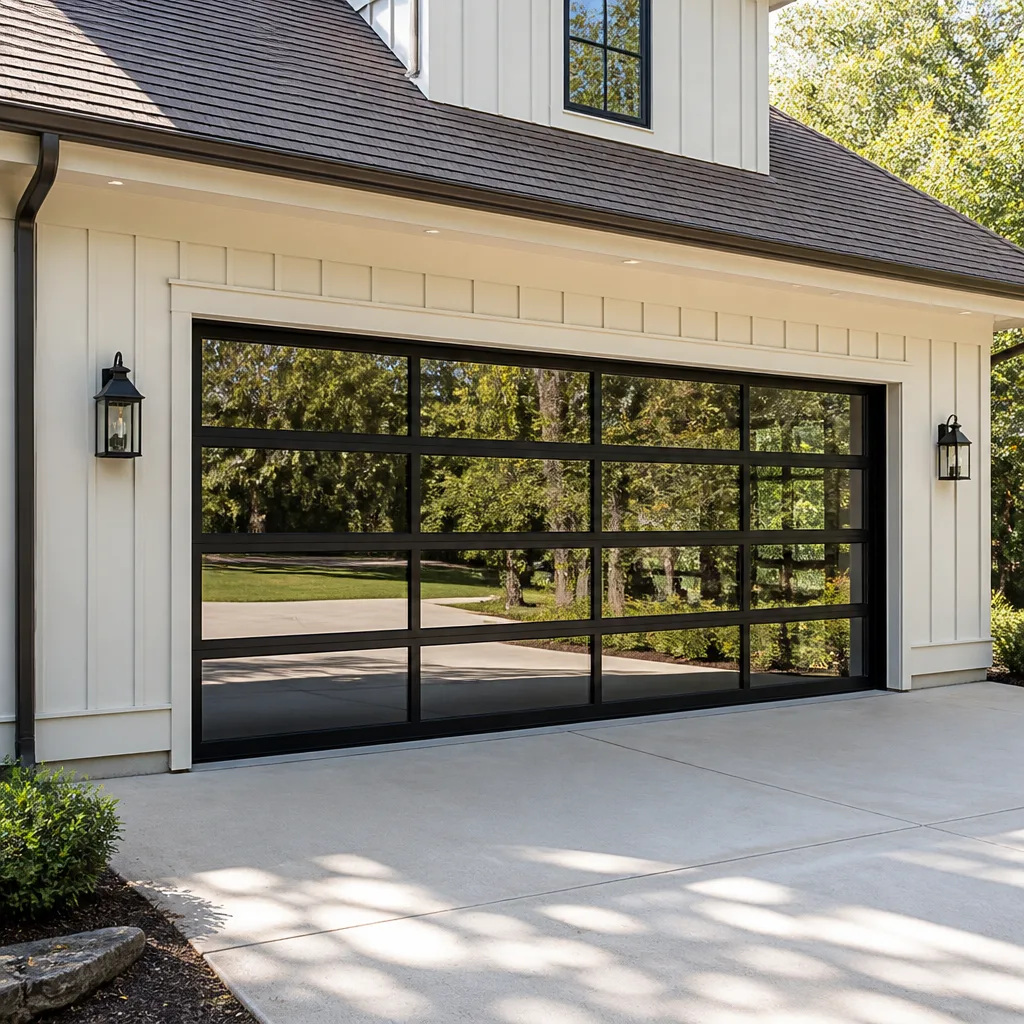 Full-view glass
 LiftMaster openers
 Chamberlain openers
Full 25-point door and opener safety check with every visit - springs, cables, rollers, tracks, and your LiftMaster or Chamberlain opener included
You get a price before we start. It does not change when the truck arrives.
Get your free estimateGarage Door Emergency Preparedness Guide for Downtown San Diego Homes
In a suburban house, a stuck garage door is an inconvenience. In a Downtown San Diego unit where the garage is the only vehicle access and street parking runs $40 a day, it’s a logistics emergency that compounds by the hour. The median Downtown San Diego condo building was constructed in 2004, which means spring systems designed for 10,000 cycles are now hitting their mechanical limits. This guide lays out what actually happens when a door fails in an urban setting, what you can do in the first 15 minutes, and how to get the right help dispatched without wasting a full morning. Forget the generic advice written for cul-de-sacs in Poway. This is about securing a building access point, recovering vehicle access, and making the right phone call the first time.
Quick Answer
The fastest way to resolve a garage door emergency in Downtown San Diego is to first identify the failure type (spring, cable, opener, or roller/alignment), then determine whether your door is a manual-release candidate, and finally contact a technician who can arrive with parts matched to your specific brand before dispatch. For a deeper walkthrough of symptoms and fixes, see our Garage Door Repair Troubleshooting: Common Problems and How to Fix Them. In urban podium and shared garages, property management access and building fire codes add layers that suburban homeowners never face, so the first call should include your building type, door location, and whether the door is currently locked open or locked shut.
Styles & brands we work with
- Raised-panel steel
- Carriage house
- Modern flush
- Full-view glass
- LiftMaster openers
- Chamberlain openers
Table of Contents
- Why a Garage Door Emergency in Downtown San Diego Is Different
- Know Your Failure Mode: Spring, Cable, Opener, or Track
- Manual Release for Five Opener Types Found in Downtown Buildings
- If the Door Is Stuck Open: Securing a Ground-Level or Podium Garage
- What the Dispatcher Actually Needs to Hear
- Building a Household Emergency Protocol That Works Here
- What Downtown San Diego Buildings Actually Have Installed
- Common Mistakes to Avoid
- When to Call a Professional
- Frequently Asked Questions
Why a Garage Door Emergency in Downtown San Diego Is Different
A suburban garage door that won’t open means you take the other car or work from home. In Downtown San Diego, that same failure can mean a vehicle trapped in a sublevel podium, a building security perimeter left open overnight, or a daily parking meter bill that eats a hundred dollars before the technician even arrives. The stakes are structural, not just inconvenient.
Most Downtown San Diego residential parking exists in one of four configurations, and each changes the emergency math:
- Ground-level tuck-under garages found in Little Italy and Bankers Hill townhomes. These have direct street access, which is good for a repair, but the door is also your only physical barrier from the sidewalk. If it’s stuck open, everything inside is visible from the street.
- Podium parking structures in East Village and Cortez Hill, where residential units sit on top of a concrete parking deck. Your garage door is typically an interior door inside the structure, which means fire code compliance is part of the repair calculus.
- Subterranean or basement garages in Marina District and Gaslamp conversions, where the vehicle access door is a large commercial-style roll-up or sectional door shared by residents. A failure here affects every unit in the building, not just yours.
- Alley-loaded single-car garages in Historic Core and Sherman Heights, where the garage door opens onto a narrow alley, and a truck service visit requires coordinating with neighbors and possibly blocking the right-of-way.
Add to this the fact that Downtown San Diego sits in a coastal climate zone that accelerates metal fatigue. The salt air off San Diego Bay is corrosive to torsion spring coils and cable strands. Buildings within four blocks of the waterfront see spring failures an average of two to three years earlier than identical doors in Mission Valley. Never assume an eight-year-old spring is still service life. In the Marina District, an eight-year-old spring is on borrowed time.
We recommend reading this guide in full once, not during an active emergency. The mental model of failure types and the manual release chart below are the two things you’ll want in memory when the door does what it’s about to do.
Know Your Failure Mode: Spring, Cable, Opener, or Track
The single most useful diagnostic skill in a garage door emergency is learning to identify failure by symptom before calling anyone. It determines urgency, safety, and whether you can manually open the door at all. Here’s what we see in Downtown San Diego garages, broken down by symptom.
Failed Torsion Spring: The Door Won’t Move, and It Feels Wrong
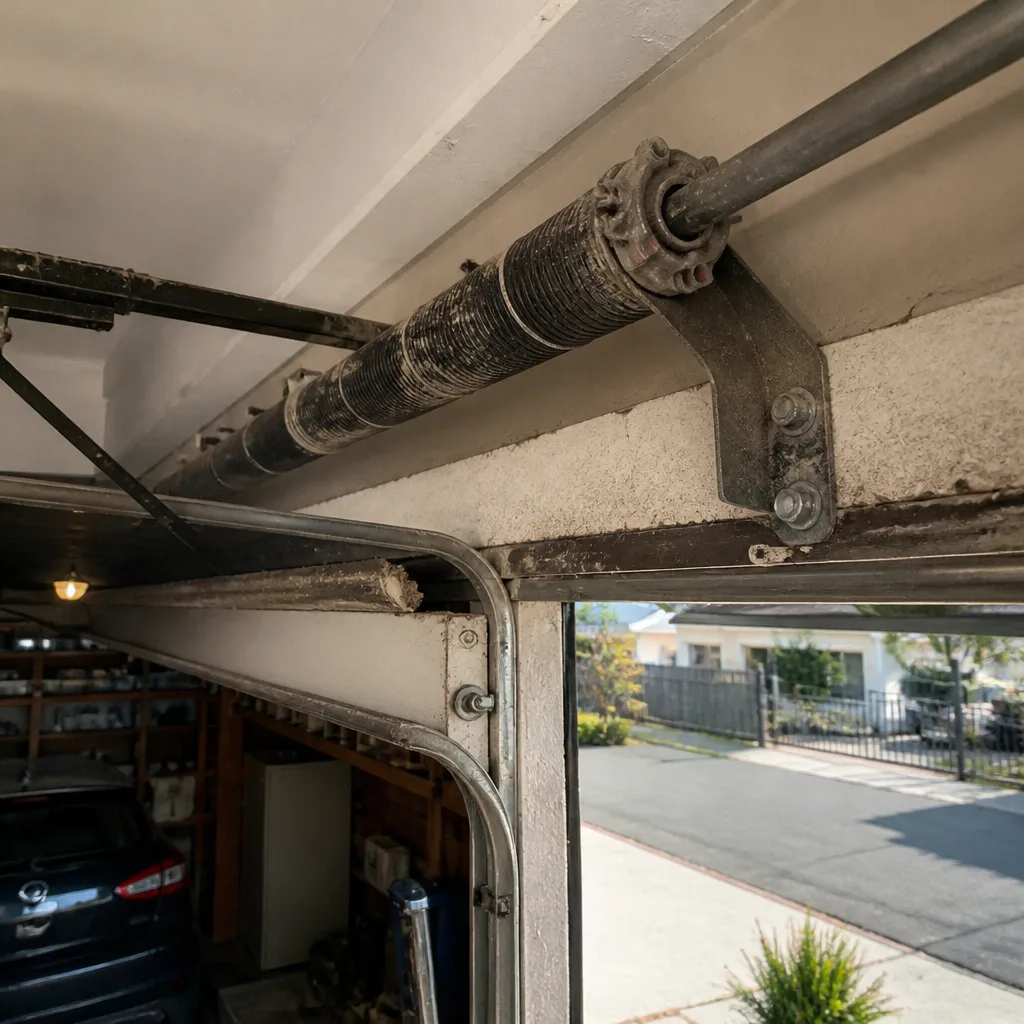
This is the most common catastrophic failure in Downtown San Diego because most urban buildings use sectional doors that rely on torsion springs mounted above the opening. The classic symptom is an opener motor that runs or strains while the door stays in place, or a door that simply feels immovable when you try to lift it by hand. You may hear a loud bang when the spring snaps, resembling a gunshot. The door is now fully weight-bearing, and the only safe way to move it is with the emergency release cord disconnected from the opener and multiple people lifting, which we do not recommend for heavier double doors.
Do not attempt a DIY spring replacement. Torsion springs hold enormous stored energy, and winding bars can slip. For a property on a busy street like Columbia or India, a snapped spring is a same-day repair priority because your vehicle is trapped and your access point may be compromised. Our Garage Door Repair in Downtown San Diego coverage explains exactly what this service involves, and a technician will carry spring stock matched to the door weight.
Broken Cable: The Door Moves Unevenly
If the door moves up or down but tilts or jerks during travel, you likely have a broken lift cable. These are the steel cables routed through pulleys on each side of the door that carry the load during movement. A frayed cable lets one side of the door rise faster than the other. In a quiet building, you may hear the cable strands snapping one by one before complete failure. If you see the door sagging or hear a twang, stop using the door immediately. A door with one broken cable can bind in the track and come off the rails.
Cable failure in a Downtown San Diego podium garage is particularly dangerous because those doors are often wider than suburban models, meaning more weight and more stored energy in the remaining cable. Once the door is off-level, do not operate it from the wall button or the remote. Call a technician before the door comes off the track entirely.
Failed Opener: Motor Runs but Door Does Not Move
If you hear the opener motor running with its usual sound but the door stays still, the failure is inside the opener drive. On a LiftMaster or Chamberlain belt drive, this usually means a stripped gear. On a Genie screw drive, it’s the carriage assembly. On a Craftsman chain drive, it’s a broken chain connector. The door itself is often still balanced and liftable manually, which means you can get your car out while you wait for repair. This is a dedicated Garage Door Opener Repair in Downtown San Diego situation, not a door replacement.
We treat the opener as a system: drive mechanism, logic board, limit switches, and safety sensors. When the motor runs but the door doesn’t move, it’s almost always the drive, not the board. The board failure symptom looks different: no response at all to either the wall button or the remote, with the motion lights flashing an error count.
Broken Roller or Bent Track: Grinding, Screeching, or Jammed Travel
Less catastrophic but still urgent: a shattered nylon roller or a bent track section. The door will move partway and stop, accompanied by a grinding or screeching sound. Nylon rollers on doors in Downtown buildings near the bay take a beating from salt air and can crack at the hub. A bent track is often the aftermath of a door that was already off-level and forced open anyway. In either case, a technician can typically replace the roller or realign the track in under an hour, but continuing to operate the door will escalate the damage.
Manual Release for Five Opener Types Found in Downtown Buildings
When the power fails or the opener fails, the emergency release is your only way to move the door without the motor. This is the cord that hangs from the opener rail, usually red. But the location and mechanism vary by brand, and the variations trip people up. Here’s what to know for the five most common opener types in Downtown San Diego residential buildings.
- LiftMaster and Chamberlain belt or chain drives (most common in Downtown condos): Pull the red release handle straight down toward the door. You should hear a click as the trolley disengages from the carriage. The door now moves freely by hand. To re-engage, pull the release cord in the opposite direction while the opener runs until the trolley clicks back onto the carriage. The trip point on LiftMaster is the cord orientation: pulling toward the door disengages, pulling back toward the motor re-engages.
- Genie screw drive: The release is the same red cord, but the carriage sits higher on the rail. Pull down and the carriage disengages. Genie units are sensitive to the release being pulled while the door is moving, which can damage the carriage. Only release when the door is stationary.
- Craftsman chain drive (older models widespread in Historic Core conversions): The release cord pulls down from the trolley on the chain rail. These older units often have a rusted or stiff release mechanism from years of coastal air. Use steady pressure, and expect the door to be heavy if the springs are worn.
- Wayne Dalton or Raynor openers with integrated release: Some Wayne Dalton doors use a direct-drive system where the release is a lever on the opener head itself, not a hanging cord. Check your ceiling-mounted unit for a red tab or the word RELEASE embossed on the housing. This confuses owners who are accustomed to the hanging cord, and they sometimes yank on the door handle instead, which does nothing.
- Openers without a visible release cord (older condo units): In some Downtown San Diego buildings, the parking access door is managed by the HOA with a commercial jackshaft opener mounted to the wall beside the door. These have a release chain, not a cord. Pull the chain straight down to disengage. But check with your property manager before operating a shared-door release; a communal door in a shared garage is not yours to manually operate without authorization.
One note on safety, especially with the heavier doors common in Downtown parking structures: releasing a door with a broken spring means the full weight of the door is now in your hands. A double-wide steel door can weigh 200 pounds or more. If the door is heavy, let it rest in place, don’t attempt to lift it alone, and call for help before someone gets hurt.
If the Door Is Stuck Open: Securing a Ground-Level or Podium Garage
A door that will not close is a different emergency than a door that will not open, and in a Downtown San Diego setting it can be worse. An open ground-level garage in Bankers Hill reads as an invitation to anyone walking by. The question isn’t just how to fix the door, it’s how to secure the space for the next several hours.
First, remove the obvious exposure. If the door is stuck partway, determine whether you can safely tug it the rest of the way down while it’s disengaged from the opener. A balanced door will move with moderate effort. A door with a broken spring will feel dangerously heavy, and you should not force it. Leave it where it is.
Second, if you can get the door closed, close it and stop using it until the repair. A closed door with a broken component is safer than an open one. Do not use the opener to try to close it; if the system is misaligned or off-level, running the opener can bend the track and tear the cables. Close it by hand only if it’s on its rollers and moving freely.
If the door cannot be closed, treat the area as an open perimeter:
- Move vehicles, bikes, tools, and anything with a serial number deeper into the garage or into the unit.
- If the door leads to a residential hallway, block the interior doorway and put a note up for neighbors.
- Photograph the open door and the surrounding area. If a building security incident occurs while the door is open, you want documentation.
- For shared podium garages, notify building management or the front desk immediately. A stuck-open shared door is a building security event, not just a personal one.
- Ask the repair company whether they can prioritize a stuck-open door. Most will, because they understand the liability on your side matches the urgency on theirs.
What the Dispatcher Actually Needs to Hear
When you call a garage door service at 7 a.m. with your car trapped in a sublevel garage, the words you use determine how fast a technician arrives and whether they arrive with the right parts. “It won’t open” is a mystery. A short, specific description is a dispatch. Here’s the information we and other Downtown San Diego service providers need on the call:
- The symptom, not the emotion: Say whether the motor runs but the door doesn’t move, whether the door moves but hangs up halfway, whether you heard a bang, or whether it won’t close. That’s the distinction between a spring, a cable, an opener, and a sensor issue.
- The brand of the door and the opener, if you know it: Say “Clopay door with a LiftMaster opener” rather than “garage door.” This tells us which parts to stock on the truck. Different brands use different spring sizes and rail profiles, and arriving with the wrong one means a second visit.
- Your building type: Ground-level, podium, subterranean, or alley-loaded. This tells the technician whether they’re working with a residential toolset or a commercial one, and whether they’ll need building access permissions.
- The current position of the door: Stuck open, stuck closed, or stuck halfway. Stuck halfway is important: it means the door may be off-level or jammed on something specific.
- Whether you have a manual release and whether you’ve already tried it. Saying “I pulled the red cord and the door is still stuck” changes the diagnostic next step.
- Access constraints: Alley width, gate codes, whether the repair vehicle can fit in the building loading zone or needs to park on a side street. In downtown, this is a real time factor.
For a service provider, the difference between “garage door is broken” and “Chamberlain opener, motor runs, door won’t move, ground-level garage in Little Italy” is the difference between showing up with a stocked truck and showing up to diagnose on site. We ask these questions during the initial call, and the more you can answer, the faster the repair.
If you’re also considering whether the door itself is worth repairing rather than replacing, start with our Garage Door Installation in Downtown San Diego guide to understand the cost and lead time for a full replacement versus a component repair. The answer is not always obvious, and it’s worth understanding before a technician is standing in your driveway.
Building a Household Emergency Protocol That Works Here
The best emergency response is a pre-made set of habits. You don’t need to drill like it’s a fire alarm, but the following protocol takes about an hour to set up and pays off the first time you use it.
Designate a spare remote location. When the wall button fails, the remote becomes your primary entry. Keep a spare remote in the unit, not in the car. If the opener fails while the car is inside the garage, the remote in the car does you no good. Program the spare remote before it’s needed, not during the emergency.
Know your property manager’s phone line. In shared podium or subterranean garages, many doors are controlled by building systems you’re not allowed to operate. When a shared door fails at any hour, the property manager needs to be looped in. Store the number in your phone under “Building After Hours.”
Keep a manual release tool. The one manual tool worth having in a Downtown San Diego unit is a simple pull hook, either a small one from a hardware store or a bent coat hanger. Some openers, particularly in older Historic Core buildings, have a release cord that’s missing or shorter than standard because of low ceiling clearances. A hook gives you reach without dragging a step stool into a tight parking space.
Photograph the serial plate. The manufacturer’s plate on the back of the door panel and the label on the opener motor have the exact model and door weight. When you call for service, reading those numbers to the dispatcher is more useful than describing the door. Take photos now, store them on your phone, and you never have to crouch behind a car to read the plate during an emergency.
Know where the breaker box controls the opener. Some opener problems in older Downtown buildings are just a tripped circuit. The breaker is typically in the unit, not the garage. If the opener shows no power, check the breaker before calling. It’s a 30-second check that sometimes saves a service fee.
What Downtown San Diego Buildings Actually Have Installed
When we work in Downtown San Diego, we see three door brands more than any other: Clopay, Amarr, and Wayne Dalton. Clopay dominates in the newer East Village condo towers because of the brand’s strength in insulated steel doors that meet the Title 24 energy requirements common in newer builds. Amarr is widespread in Little Italy and Bankers Hill townhomes, often in carriage-style designs that fit the architectural profile of those neighborhoods. Wayne Dalton has a strong presence in older Marina District and Gaslamp conversions, where lighter doors were needed for older structural openings.
On the opener side, LiftMaster and Chamberlain are the default in most Downtown San Diego buildings because their belt drives run quietly enough for units adjacent to the garage. Older Craftsman chain drives are still common in buildings from the 1990s and early 2000s, particularly in Cortez Hill and Sherman Heights. Genie screw drives are less common but still present in some older condo conversions.
Why does this matter for your emergency? Because a generic technician who mostly works in suburban Poway and Scripps Ranch sees a narrower band of hardware. If your door brand is outside their daily routine, they may diagnose by trial and error. We service all eight major brands, including the Clopay and Amarr doors common downtown and the Wayne Dalton doors common in older conversions, and we carry matched parts for each. Whatever brand is on your garage, we know it.
If you own a Craftsman opener from the early 2000s and the drive gear has finally stripped, the repair is straightforward, and the opener doesn’t necessarily need replacing. If the door itself is original to the building and has been through 20 years of salt air cycles, the smarter move may be a new install from a brand that fits the building’s structural constraints. The decision hinges on the condition of the springs and tracks, not just the motor.
Common Mistakes to Avoid
- Forcing the door open with the car. We’ve seen homeowners in Downtown buildings bump the door with their vehicle because it wouldn’t open and they were late for work. This bends the bottom panel, pops the rollers out of the track, and triples the repair bill.
- Using the opener after a cable break. If a cable has snapped and the door is off-level, the opener will pull the door further off-level and may yank it out of the track entirely. The opener is strong enough to do real damage.
- Calling the building contractor instead of a garage door technician. General maintenance staff are not garage door specialists. They can confirm the problem, but we often get the second call after a handyman has removed the spring and can’t source a replacement. It costs more and takes longer.
- Ignoring a noisy door for months. A door that grinds or squeals during operation is telling you that a roller is failing or a spring is wearing. Months later, that same noise becomes an emergency. The repair would have been cheaper at the noise stage.
- Storing valuables in plain sight through a ground-level door. This is a Downtown San Diego-specific mistake. A ground-level garage in Bankers Hill or Golden Hill sits directly on the sidewalk line. Anything visible becomes a target when the door is stuck open or during the hours you wait for repair.
- Assuming the HOA will handle it. In many Downtown San Diego condo buildings, the garage door for your individual parking space is your responsibility, even when it’s in a shared structure. Know your CC&Rs before an emergency.
When to Call a Professional
You should call a professional immediately when a torsion spring snaps (you’ll hear it, and the door won’t move), when a cable breaks and the door goes off-level, when the door comes off its track entirely, or when a ground-level door is stuck open and the building perimeter is compromised. These are not progressive issues; they are failed systems, and continued use makes each of them more expensive to fix. For anything involving springs or cables, do not attempt a repair without proper winding tools and experience. The stored energy in a torsion spring can cause serious injury.
For less catastrophic issues, like a noisy roller or a misaligned sensor, the call can wait for normal business hours, but don’t wait weeks. Noise is a symptom of wear, and wear becomes failure on a predictable curve. Willow Garage Door Repair offers free estimates in Downtown San Diego. Call (866) 321-6057 and describe the symptom. We’ll tell you what we think it is, what it should cost based on your building type, and when we can get there.
Frequently Asked Questions
Emergency garage door repair in Downtown San Diego typically runs higher than standard service because of the dispatch priority and the difficulty of accessing urban garages. A broken spring replacement in a standard Downtown residential door is typically a straightforward service, with the spring part cost and labor combined. Podium and subterranean garage doors cost more because they are wider, heavier, and sometimes require commercial-grade components. Get a written quote before any work starts. Call us at (866) 321-6057 and describe your building type and symptom for an exact quote. Estimates are free.
Same-day service is available for emergency repairs in Downtown San Diego, including broken springs, cable failures, and doors stuck open. Stuck-open doors are often prioritized because of the security exposure. We carry the common spring sizes and cable sets for the Clopay, Amarr, Wayne Dalton, and Craftsman doors found in Downtown buildings, so the most common repairs are completed in one visit rather than after a parts order. Call early in the morning for the best dispatch window, and tell the dispatcher whether your door is stuck open or stuck closed.
The quoted price should not change once the technician sees the door, unless the door condition reveals an additional issue that wasn’t visible over the phone. We quote the repair as described and then confirm the scope on site before starting work. If the door needs more than what was described, you’ll see the updated number before we turn a wrench. The price is quoted and agreed before any work starts.
If the garage door is for your assigned parking space and it’s located inside a shared structure, you usually don’t need building permission for the repair itself, but you may need building access coordination. For details on when permits are required, read Garage Door Permits, Codes & Inspections in CA: What You Need to Know. The technician may need loading dock access or the gate code. If the door is a shared building door covering multiple units, then yes, the property manager must authorize the service. Check your CC&Rs or confirm with the front desk before booking a service time.
The most useful tool is a pull hook or step stool to reach the emergency release cord, especially in Downtown garages with low ceilings and short release cords. Beyond that, a working flashlight to see the opener rail and spring assembly in dimly lit parking structures, and your phone to photograph the manufacturer labels on the door and opener. You won’t need wrenches or power tools for the emergency phase; those are for the technician.
If you can close the door by hand, close it and stop using the opener until repair. If it can’t be closed, move all valuables out of sight, document the open door, notify building management if it’s a shared garage, and ask the service provider for stuck-open priority. For a ground-level door exposed to a city sidewalk, consider parking a vehicle diagonally across the opening if possible, but only if it doesn’t block a fire lane or building access route. We prioritize stuck-open doors for same-day service. Call us at (866) 321-6057 and tell the dispatcher the door is stuck open.
The Bottom Line
A garage door emergency in Downtown San Diego is a different animal from a suburban breakdown. The building type, the salt-air wear, the security exposure, and the shared infrastructure all shape the right response. The most useful thing you can do is learn to identify the failure mode by symptom before the phone call. For more guides & resources on maintaining and repairing urban garage doors, visit our blog. A snapped spring, a broken cable, and a stripped opener gear all present differently, and describing the symptom accurately is the single biggest lever on dispatch speed. Once you understand the failure, you can decide whether to operate the manual release, how to secure the door, and what to tell the technician.
Most importantly, don’t operate a door that’s off-level, don’t force a heavy door alone, and don’t touch spring hardware. The stored energy is not a discussion. Build your household protocol now, store the photos and the phone number, and when the door fails, you’ll know exactly what to do in the first 15 minutes. For a free estimate on any garage door issue in Downtown San Diego, call (866) 321-6057 or visit the Willow Garage Door Repair home to learn more about our service range across the city.
Written by the team at Willow Garage Door Repair, serving Downtown San Diego since 2013.
See the difference
 Before
 After
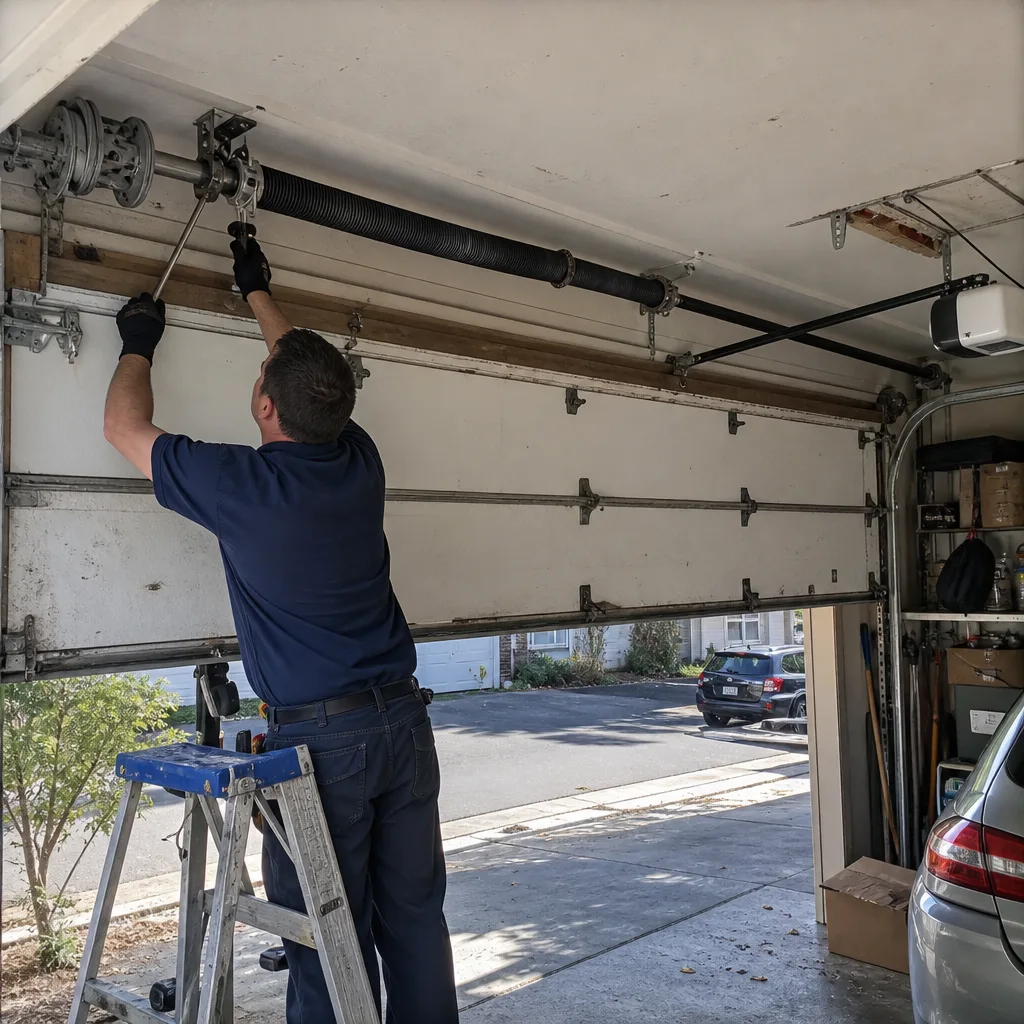 Before
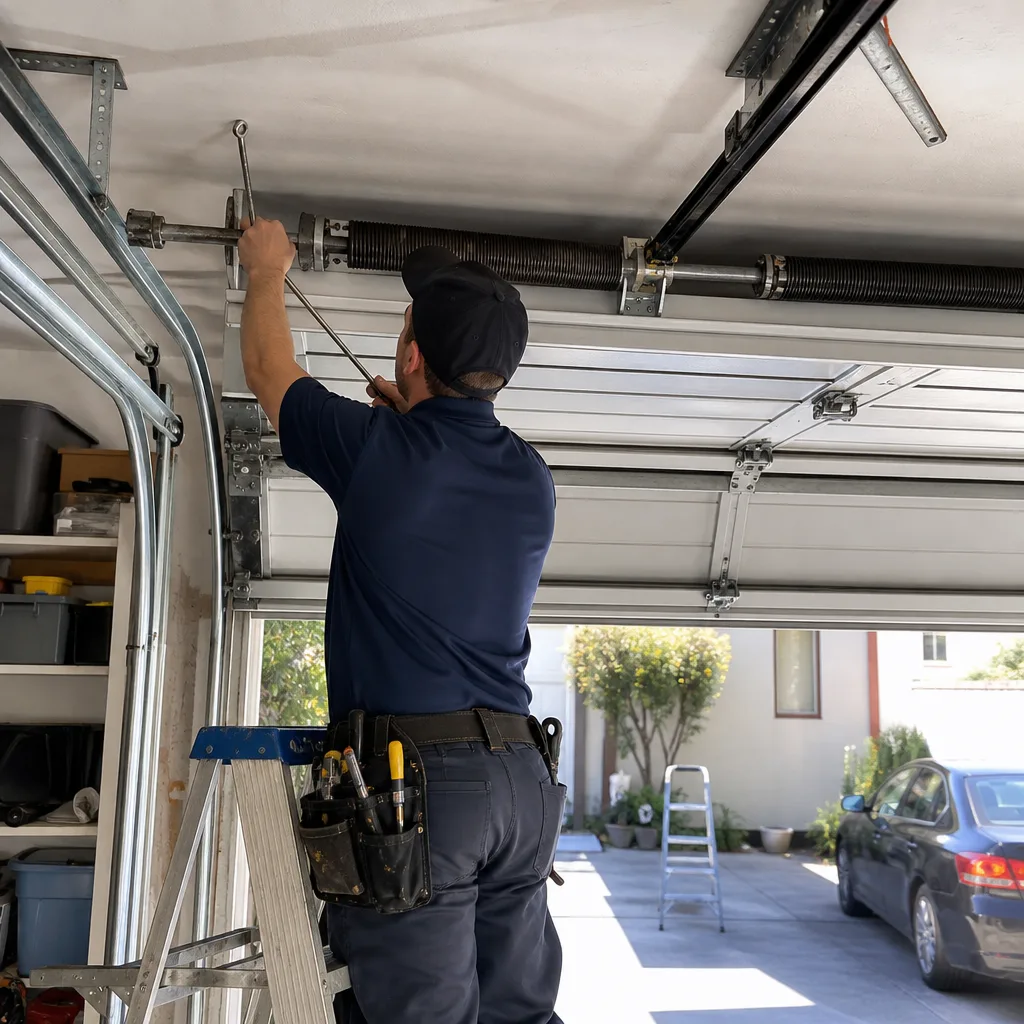 After
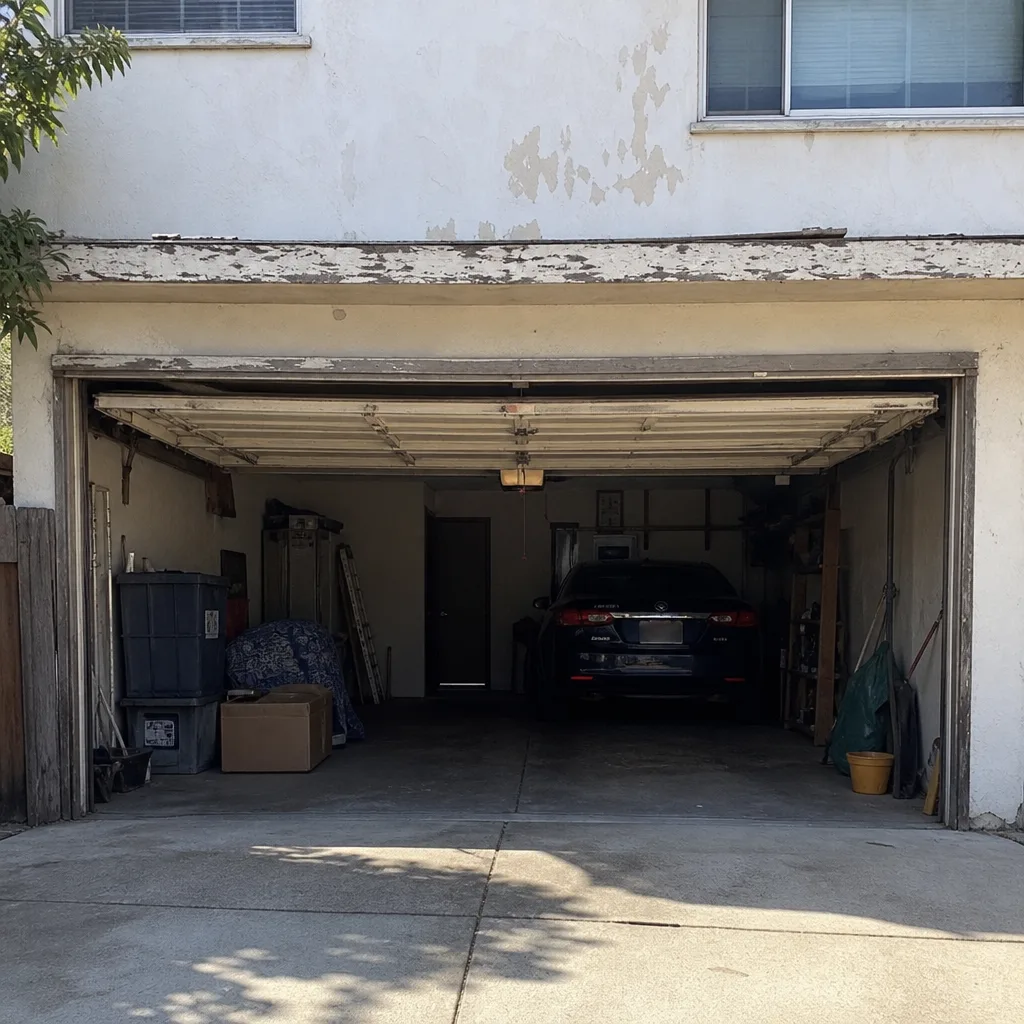 Before
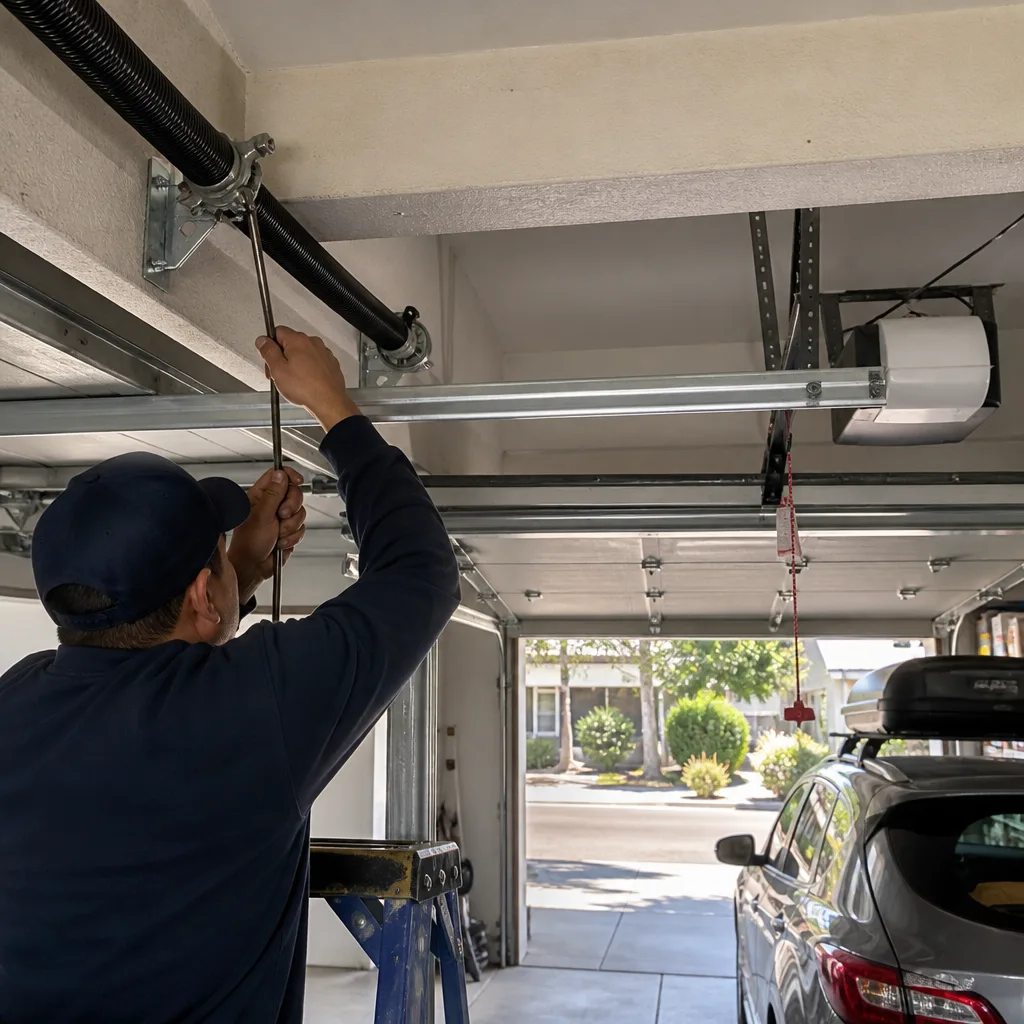 After