
Last updated November 3, 2026
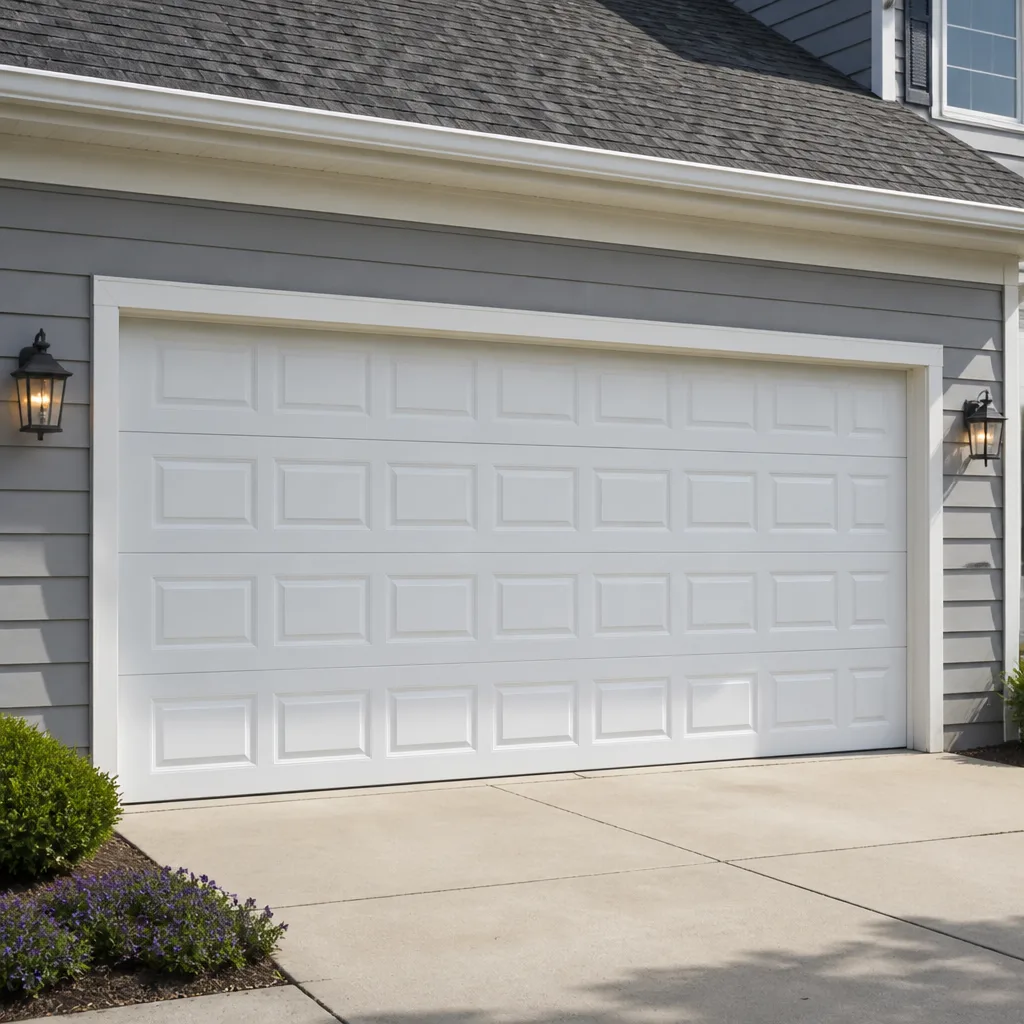 Raised-panel steel
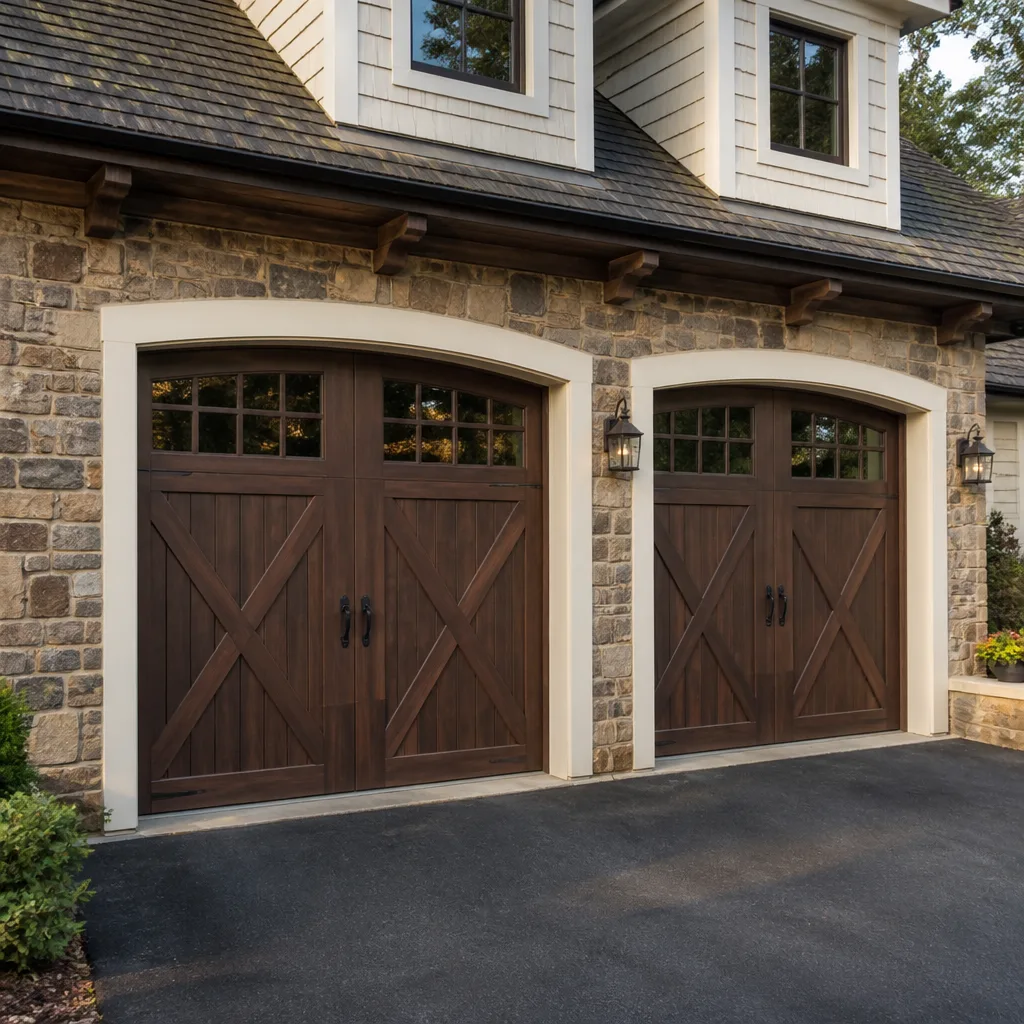 Carriage house
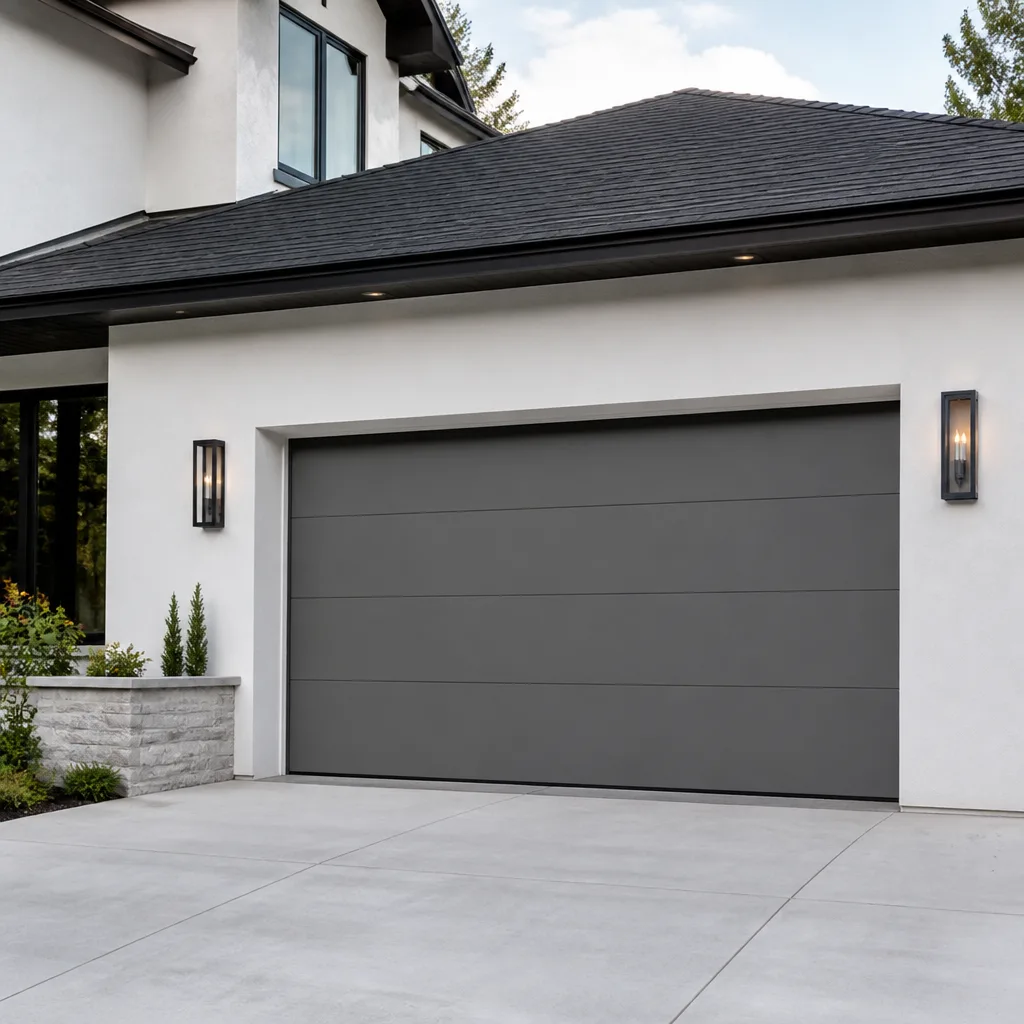 Modern flush
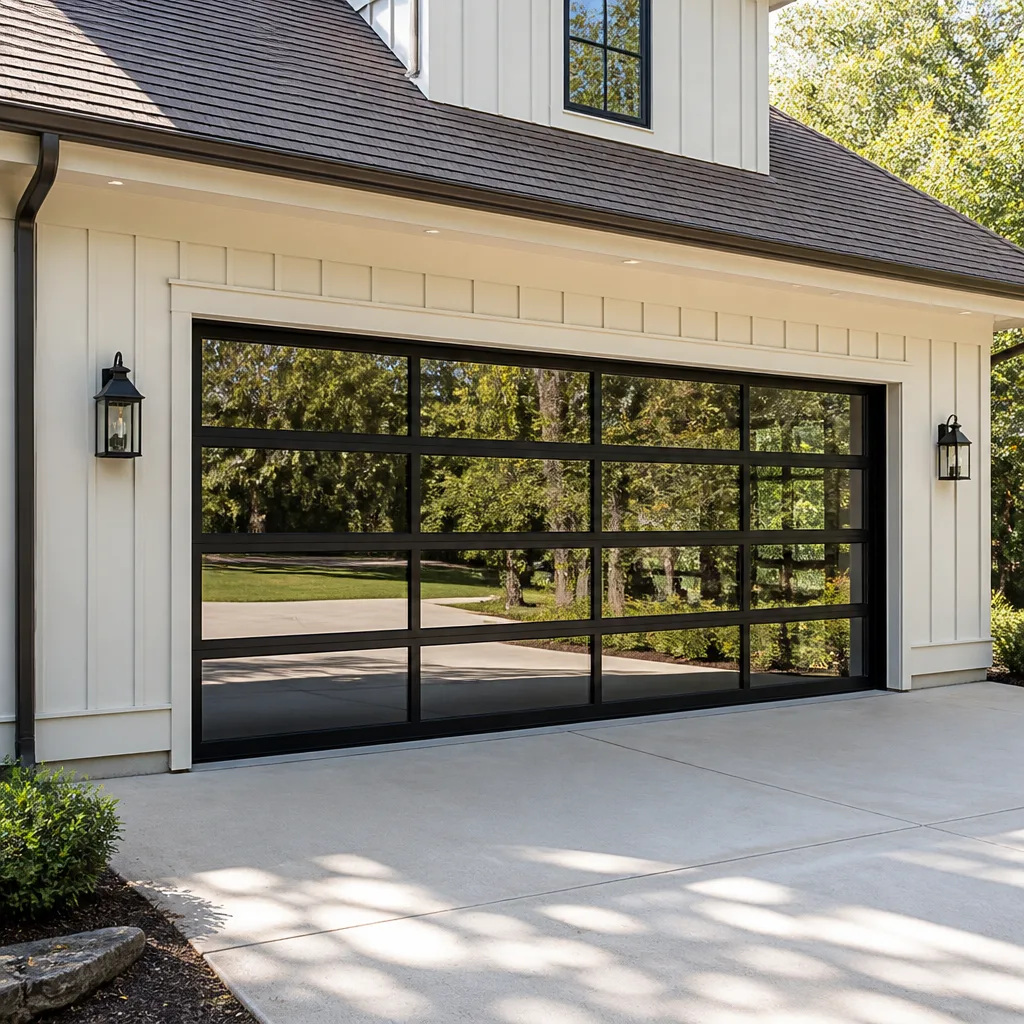 Full-view glass
 LiftMaster openers
 Chamberlain openers
Full 25-point door and opener safety check with every visit - springs, cables, rollers, tracks, and your LiftMaster or Chamberlain opener included
You get a price before we start. It does not change when the truck arrives.
Get your free estimateSeasonal Garage Door Care for Downtown San Diego: Year-Round Homeowner’s Guide
Seasonal garage door maintenance guides organized around “winter prep” and “spring tune-ups” were written for places that freeze. Downtown San Diego doesn’t work that way. Our real seasonal threats come from three distinct environmental phases: the marine layer humidity that settles in from May through July, the dry Santa Ana winds that sweep through from August into October, and the mild winter damp that lingers from November through April. Each one stresses your garage door differently, and each one demands a different set of checks. This guide maps actual maintenance tasks to those actual Downtown San Diego conditions, so you’re working with the climate you actually live in, not a national template that assumes you’re shoveling snow off your driveway in January. For a broader overview, see our The Complete Garage Door Repair Guide for Downtown San Diego Homeowners.
Styles & brands we work with
- Raised-panel steel
- Carriage house
- Modern flush
- Full-view glass
- LiftMaster openers
- Chamberlain openers
Quick Answer
Garage door care in Downtown San Diego should follow three local phases: inspect springs, cables, and bottom seals for moisture damage during the May – July marine layer season; check balance, tracks, and opener strain during the August – October Santa Ana wind period; and use the mild November – April window for repainting, resealing, and hardware replacement. Most of the maintenance takes under 30 minutes per month, and the key setting most homeowners never touch is the auto-reverse sensitivity, which should be recalibrated twice a year as temperature shifts change spring tension. For detailed repair procedures, refer to The Complete Garage Door Repair Guide for Downtown San Diego Homeowners.
Table of Contents
- June Gloom and Marine Layer: May – July Moisture Stress
- Santa Ana Wind Season: August – October Dry Heat and Debris
- The Mild Winter Damp: November – April Maintenance Window
- Calibrating Auto-Reverse Sensitivity: The Setting Nobody Touches
- Month-by-Month Quick-Check Calendar for Downtown San Diego
- What We See by Brand: LiftMaster, Craftsman, Raynor, and Wayne Dalton
- Common Mistakes to Avoid
- When to Call a Professional
- Frequently Asked Questions
- The Bottom Line
June Gloom and Marine Layer: May – July Moisture Stress
If you live anywhere east of I-5, you feel it every morning: that gray marine layer rolling in off the Pacific and sitting over Downtown San Diego until noon. The air picks up a damp heaviness that settles into everything, including your garage. Garages in Downtown San Diego don’t get the cross-ventilation that houses in Clairemont or Mission Valley enjoy. Many are attached, tucked into alleys, or built into the base of larger structures, which means the moisture from the marine layer doesn’t just pass through; it lingers.
That sustained humidity does three specific things to a garage door system. First, it accelerates surface rust on torsion springs, especially along the coils where the metal rubs against itself. You won’t see the rust until it’s begun to pit, and by then the spring’s life expectancy has shortened. Second, the humidity softens and swells the rubber bottom seal, which can loosen its grip on the door’s bottom retainer channel. A seal that’s begun to sag or pull away lets in moisture, dust, and the occasional sidewalk roach. Third, the cables that do the heavy lifting on door sections begin to fray faster in humid conditions. The individual steel strands separate, and once a few strands break, the cable is on its way to snapping.
Here’s what we recommend checking between May and July in Downtown San Diego:
- Run a white cloth along the bottom seal. If you pick up black rubber residue, the seal is degrading. If you see daylight under the door when it’s closed, the seal has already compressed too far.
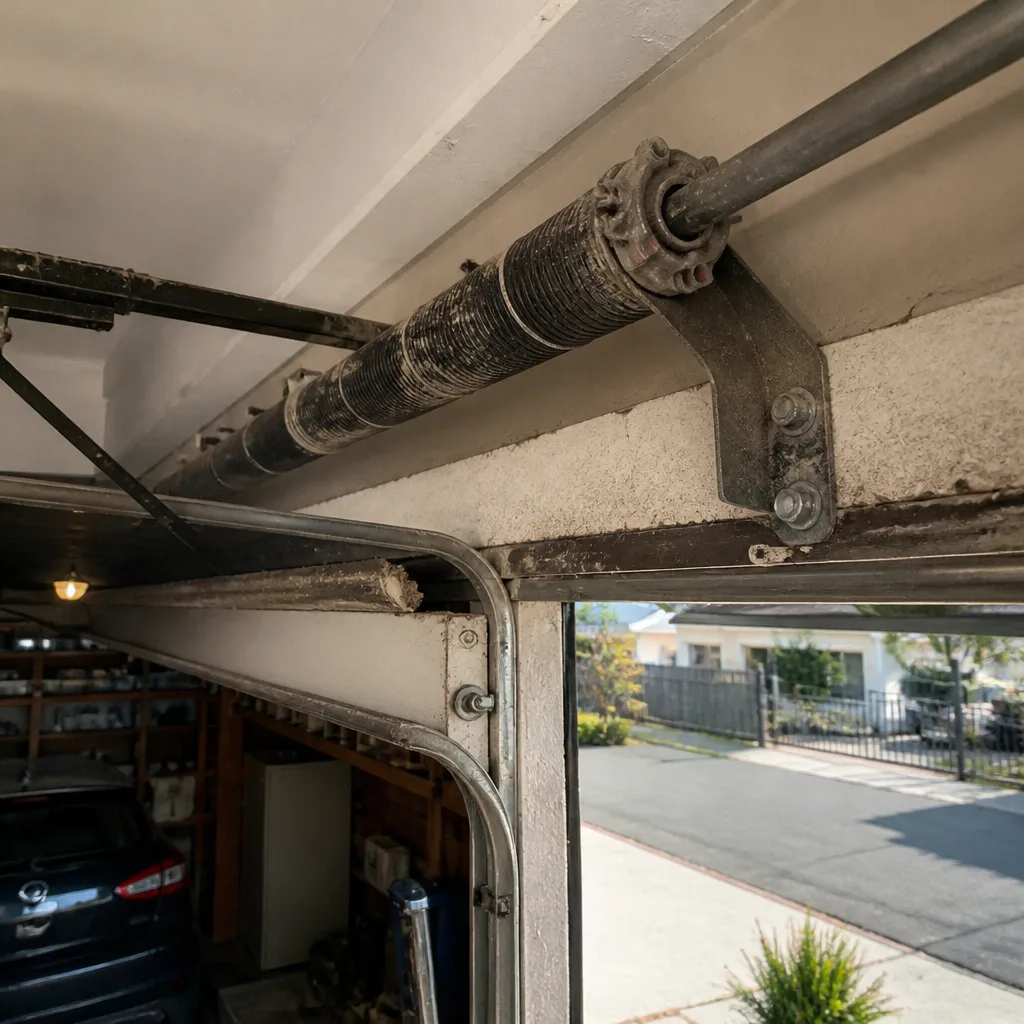
- Look at the torsion spring above the door. You’re checking for rust blooms, not just visible cracking. A spring that’s rusted along its length is closer to the end of its service life than one that’s simply dusty.
- Inspect the lift cables where they attach to the bottom brackets. If you see any separated wire strands, don’t wait. A cable under tension that lets go can send the door slamming down.
- Listen to the door as it opens and closes. A rhythmic creak that wasn’t there in April is often the first sign that moisture has begun working into the rollers or hinges.
This is the season when we get more calls about Garage Door Repair in Downtown San Diego stemming from cable failures and binding rollers than any other time of year. The marine layer isn’t dramatic. It just works slowly, day after day, until something gives.
Santa Ana Wind Season: August – October Dry Heat and Debris
By August, the marine layer burns off earlier, the humidity drops to single digits, and the Santa Ana winds start blowing hot, dry air down through the canyons toward the coast. In Downtown San Diego, those winds funnel through the urban corridors, kicking up grit, palm fronds, and debris that end up wedged in the least convenient places. For garage doors, this is the season of balance problems and track misalignment.
Here’s the connection most homeowners miss: Santa Ana season coincides with some of the hottest days of the year. Heat causes the metal in your torsion spring to expand, which actually reduces the spring’s lifting force ever so slightly. A door that was perfectly balanced in April can feel heavy by September. The opener now has to work harder to lift the same door, and that extra strain shows up as wear on the opener’s drive gear or belt. This is especially true for older Garage Door Opener Repair in Downtown San Diego systems that haven’t had their force settings checked in years.
The wind itself creates a second problem. Dust and fine grit blown by the Santa Anas settle on the horizontal tracks, where they mix with whatever grease remains and form an abrasive paste. That paste accelerates roller wear. Larger debris, like a palm frond that lands in the track channel or wraps around a bottom roller, can knock a section guide off its path.
Here’s the August – October checklist for Downtown San Diego homeowners:
- Disconnect the opener and lift the door manually to waist height. Release it. A balanced door stays in place. If it drops more than a few inches, the spring tension is off and the opener is compensating for it.
- Wipe the inside of both vertical tracks with a dry cloth. You’re removing the fine dust that’s built up. Don’t grease the track; grease on the track attracts more grit and makes things worse. The rollers and roller stems get the lubricant, not the channel.
- Check the door sections for small dents or pushed-in corners. Wind-blown debris can knock a section slightly out of alignment, which then causes the door to bind at one point in its travel.
- Look at the weatherstripping on the sides and top of the door frame. The dry heat of the Santa Anas cracks older rubber, and once it cracks, it starts to peel away from the frame entirely.
For homeowners at the base of Cortez Hill or on the west side of East Village, where the wind funnels between taller buildings, we recommend doing the balance check twice during this window. The dust and heat combine more aggressively in those pockets than they do in areas like Little Italy, where regular garage use and closer building spacing creates a different microclimate.
The Mild Winter Damp: November – April Maintenance Window
Downtown San Diego winters aren’t cold, but they are damp. The daytime highs settle into the low 60s, the marine layer sometimes refuses to clear until early afternoon, and intermittent rain systems move through from November through March. The humidity isn’t as persistent as May – July, but the cooler temperatures and occasional soaking rains create an ideal window for the kind of maintenance that you don’t want to do when it’s hot and dry.
Why is this the best window? Paint, primer, and sealant cure best in cool-to-mild temperatures with moderate humidity. Apply them in August, and the paint dries too fast and leaves a weak bond. Apply them in May, and the marine layer humidity can cause the paint to skin over before it’s cured underneath. November through April, the conditions are right. This is the season for the slower, methodical work.
Here’s what we recommend doing between November and April:
- Repaint the bottom panel and any surface rust on the door frame. Steel doors hold up well in San Diego, but the combination of marine air and occasional rain means any exposed metal eventually rusts. Address the rust before it eats through the panel.
- Replace the bottom seal if it didn’t pass the June moisture check. The old seal is more pliable in cooler weather, which makes removal and replacement easier. A new seal installed in February seats better than one installed in July.
- Inspect and tighten all hinge bolts and roller brackets. The constant expansion and contraction from summer heat and winter cool loosens hardware over time. A quarter-turn here and there now prevents a rattling, sloppy-feeling door in June.
- Clean the photoelectric safety sensor lenses. Winter dampness leaves a film of condensation that dries into a residue on the sensor eyes. A soft dry cloth is all you need. If the door hesitates or reverses for no reason, dirty sensors are often the culprit.
- Lubricate only the moving metal-on-metal contact points. Use a garage-door-specific spray lubricant on the hinge pins, roller stems, and the torsion spring itself. Skip the household WD-40, which is a degreaser that strips the existing lubricant away.
This is also the right time to consider Garage Door Installation in Downtown San Diego if your existing door is near the end of its service life. Installation in the mild window means you’re not waiting out a summer heat wave for a crew to be available, and the new door gets its first months of operation in conditions that don’t stress it.
Calibrating Auto-Reverse Sensitivity: The Setting Nobody Touches
Your garage door opener has a force setting that tells it how much resistance is acceptable before it reverses direction. That setting is there to prevent the door from closing on a car, a bicycle, or a person. Most openers are adjusted once at installation and then never touched again. In Downtown San Diego, that’s a problem, because the force setting needs to change as the temperature affects spring tension.
Here’s how it works. When the temperature drops, the torsion spring contracts slightly and becomes stiffer. The opener has to push with more force to close the door against that increased tension. If the force setting is too low, the door will reverse partway down or stop entirely. If the force setting is too high, the door will close with too much momentum, and the auto-reverse may not trigger in time if something is in the way. Either condition is dangerous, and both can be avoided with a twice-yearly calibration.
The calibration process varies by opener brand. On a LiftMaster opener, there’s usually a small adjustment dial on the side of the motor unit marked “force” or “sensitivity.” On a Craftsman unit, the dials are often on the back of the motor housing. The procedure is the same in principle: you’re adjusting the opener so that it reverses promptly when it encounters a 2×4 laid flat on the ground, but continues smoothly when the path is clear. If you’re unsure where the dial is on your specific opener, consult the manual or have a professional do it as part of a larger service call.
Our recommendation for Downtown San Diego specifically: recalibrate once in April, before the marine layer season begins, and once in October, before the Santa Anas and winter damp set in. Two calibrations a year, five minutes each, and your opener’s safety system stays within the manufacturer’s intended range all year.
Month-by-Month Quick-Check Calendar for Downtown San Diego
Here’s the maintenance calendar we’d follow if we owned a home in Downtown San Diego. It’s built around the actual climate we experience, not a generic national template that assumes a freeze-thaw cycle in March and a heat wave in August.
January
After rain, check the interior floor near the door for water intrusion. If you see damp concrete or a watermark, the bottom seal or side weatherstripping needs attention. Clean any debris that’s accumulated in the door tracks.
February
Best month for repainting or resealing the door panels and frame. Cool, mild, low wind. If the bottom seal didn’t pass its June test, replace it now.
March
Tighten all hinge bolts, bracket screws, and track fasteners. The winter damp has loosened what it’s going to loosen. If you hear a rattle when the door operates, this is when you find it and fix it.
April
Calibrate the auto-reverse sensitivity on the opener. Do a full balance check by disconnecting the opener and lifting the door manually. Ready the door for the marine layer season ahead.
May
Start watching for moisture effects. Run the white cloth test on the bottom seal. Check the torsion spring for early rust. This is the month when small problems become visible if you’re looking.
June
Peak marine layer month. Listen for new creaks or grinding sounds during operation. Inspect lift cables for fraying. Check sensor lenses for condensation film.
July
Second moisture check of the season. If any rust appeared on the spring in May, it’s spread by now. Address cable fraying immediately, not later.
August
First Santa Ana month. Wipe the tracks clean of dust. Check for wind-blown debris wedged in the track or around the rollers. Do a balance test if the door feels heavier than usual in the heat.
September
The hottest, driest month. Recalibrate the auto-reverse before the worst of the Santa Anas. Check the side and top weatherstripping for cracking, which the dry heat accelerates.
October
Peak Santa Ana wind month. Second track cleaning of the season. Inspect for dents or pushed-in corners from debris. This is the highest-risk month for binding rollers in Downtown San Diego.
November
First rain of the season usually arrives this month. Check the bottom seal after the first heavy rain. If water has been getting under the door, you’ll see evidence now.
December
Holiday season, and the door is opening and closing more than usual with deliveries and guests. Give all moving components a quick visual once over. If the door is struggling, December is not the month to ignore it; a failed spring over the holidays is the call we get most often in late December.
What We See by Brand: LiftMaster, Craftsman, Raynor, and Wayne Dalton
In our experience with the major brands, each has a predictable seasonal failure pattern, and knowing yours can save you from a surprise breakdown. If you’re considering an upgrade, read Choosing the Right Garage Door Brand: A Buyer’s Guide for Downtown San Diego. Here’s what we see most often on the brands that are common in Downtown San Diego condos and townhomes.
LiftMaster
LiftMaster openers are tank-like, and the motors rarely fail. What we do see in the marine layer season is a slower response on the logic board, which senses like a pause before the opener starts to move. On older LiftMaster units, condensation inside the motor housing can cause intermittent sensor errors. The opener is behaving like a system, not just a button, and the wear shows up in the drive and the safety sensors, not the motor itself.
Craftsman
The Craftsman openers that are still in service are mostly the older chain-drive units, which are loud but durable. In Santa Ana season, the chain stretches slightly in the heat, and the door starts to sound like it’s laboring. A quick chain tension adjustment solves it. What we see by June is rust on the chain itself if it hasn’t been lubricated in a couple of years.
Raynor
Raynor doors are built with heavier gauge steel than many competitors, which is good for coastal air but means the door is heavier to lift. If the torsion spring is slightly undercharged, a Raynor door will feel noticeably heavy in the heat of August and September. The heavier door also magnifies any roller misalignment. Keeping the tracks clean during Santa Ana season is more important on a Raynor than on lighter doors.
Wayne Dalton
Wayne Dalton doors often use a unique torque-master spring system rather than the standard torsion spring over the door. If you have one, the spring is concealed inside a tube, which protects it from the marine layer moisture better than an exposed spring. However, the cable that runs through the system is thinner, and we’ve found it’s more susceptible to fraying during the humid months. If your Wayne Dalton door ever stops lifting evenly on both sides, that cable is a primary suspect.
Whatever brand is on your garage, we know it. That’s the short version, and we mean it literally. Our technicians are trained across all eight major manufacturers, so the diagnosis is specific to the hardware you actually have, not a generic checklist that treats every door the same.
Common Mistakes to Avoid
- Skipping the balance test because the opener still opens the door. The opener is a motor, not a substitute for a balanced door. When the spring tension is off, the opener burns itself out compensating. In our experience, a door that’s been unbalanced for a full Santa Ana season is a door that needs an opener repair within the year.
- Lubricating the track channel. Grease or spray lube in the track channel attracts the fine grit that Santa Ana winds blow through Downtown San Diego. The track should be dry and clean. Lubricant goes on the roller stems, hinge pins, and spring only.
- Ignoring a noisy door because “it still works.” A creak or a grind is the sound of metal wearing against metal. In the marine layer months, that noise usually means rust has begun. By the time the door stops working, the part has already failed.
- Never recalibrating the auto-reverse after installation. The factory setting on most openers is a middle-of-the-road value that works for an average door in an average climate. Your door and your climate are specific. A twice-yearly calibration keeps the safety system honest.
- Replacing just the bottom seal without checking the retainer channel. The seal slides into a metal or plastic channel along the bottom of the door. That channel bends and deforms over time, and a new seal won’t seat correctly in a bent channel. Check the channel before you buy the seal.
- Waiting until after a rainstorm to check for leaks. By then, water has already soaked into whatever is stored on the garage floor. In Downtown San Diego, where many garages double as storage for bikes and surfboards, a slow leak under the door in January is saltwater-season gear damage by February.
- Concluding that a door “just needs a tune-up” when the spring is visibly rusted. A tune-up adjusts what’s adjustable. A rusted torsion spring is past adjusting; it needs replacement. Pushing a rusted spring through another season is the most common reason we get emergency calls in the middle of summer.
When to Call a Professional
Call if you see a separated cable wire. A cable under tension that snaps is dangerous. Don’t touch it, don’t try to rewind it, don’t attempt a DIY fix. A cable with even one broken strand is a time bomb.
Call if the door comes off its track. A door that’s jumped a roller out of the track won’t fix itself by pushing it back into place. The underlying cause, usually a broken spring or a bent hinge, needs to be addressed before the door is safe to operate.
Call if the spring is visibly broken or rusted through. Torsion springs are under lethal tension. Replacing one is not a handyman job. This is the one repair where a professional’s training and specialized tools are non-negotiable.
Call if the opener’s force setting needs repeated adjustment. If you’re recalibrating the auto-reverse every month, something deeper is failing, usually the spring or the opener’s internal drive. Willow Garage Door Repair offers free estimates in Downtown San Diego. Call (866) 321-6057 and we’ll diagnose the underlying issue, not just the symptom.
Frequently Asked Questions
Do a quick visual and listening check every month, using the calendar in this guide as your reference. The heavier maintenance tasks, like tightening hardware, cleaning tracks, and recalibrating the auto-reverse, should happen twice a year: once in April before the marine layer season, and once in October before the Santa Ana winds peak. That’s about 30 minutes of attention every month, plus two 15-minute calibration sessions a year. Call (866) 321-6057 if you’d rather have a professional handle the seasonal check, estimates in Downtown San Diego are free. You can also browse more guides & resources on our blog.
The persistent humidity from the May – July marine layer accelerates rust formation on torsion springs and causes lift cables to fray faster than they would in a drier climate. It also softens the rubber bottom seal, loosening its grip on the door channel. The damage is gradual, which is why it’s easy to miss until a component fails.
After a strong Santa Ana event, check the vertical tracks for debris, wipe them clean, and look for dents or pushed-in sections on the door panels. Then do a balance test by disconnecting the opener and lifting the door manually. If the door binds anywhere in its travel, or if it feels heavier than usual, the wind has likely knocked something out of alignment.
You can, but the hot, dry conditions of August and September cause paint to dry too quickly for a strong bond. November through April is the better window in Downtown San Diego. The cooler temperatures and moderate humidity let the paint cure properly, and the result lasts years longer than a hot-weather paint job.
When a garage door opener reverses without an apparent obstruction, the most common causes in Downtown San Diego are dirty photoelectric sensor lenses or a force setting that’s drifted out of calibration. Marine layer condensation leaves a film on the sensor eyes, and temperature shifts change the spring tension the opener is working against. Clean the lenses first, then recalibrate the force setting. If the problem persists, the logic board on the opener may be failing. Call (866) 321-6057 for a diagnosis.
Yes. The coastal microclimate means more moisture exposure than neighborhoods like Mission Valley or North Park, but less extreme heat than East County. The maintenance focus here is on rust prevention, seal integrity, and debris management for wind events. Inland doors deal with higher temperatures and more extreme heat expansion, while Downtown doors deal with persistent humidity and wind-funneled grit. The calendar in this guide is written specifically for the Downtown San Diego coastal strip.
The Bottom Line
Downtown San Diego doesn’t have four seasons, but it has three environmental phases that each demand specific attention: the marine layer humidity of May – July, the Santa Ana dry heat and debris of August – October, and the mild damp window of November – April that’s ideal for repainting and resealing. Track your maintenance to those phases instead of the national calendar, and your garage door will last noticeably longer. The auto-reverse recalibration is the single most neglected maintenance task we see, and it’s the one that matters most for safety. Start with the calendar in this guide, keep a monthly habit, and call a professional when you see a separated cable, a broken spring, or a door that has come off its track. Willow Garage Door Repair home is your starting point for any seasonal service, from a snapped spring to a full new door.
Written by the team at Willow Garage Door Repair, serving Downtown San Diego since 2013.
See the difference
 Before
 After
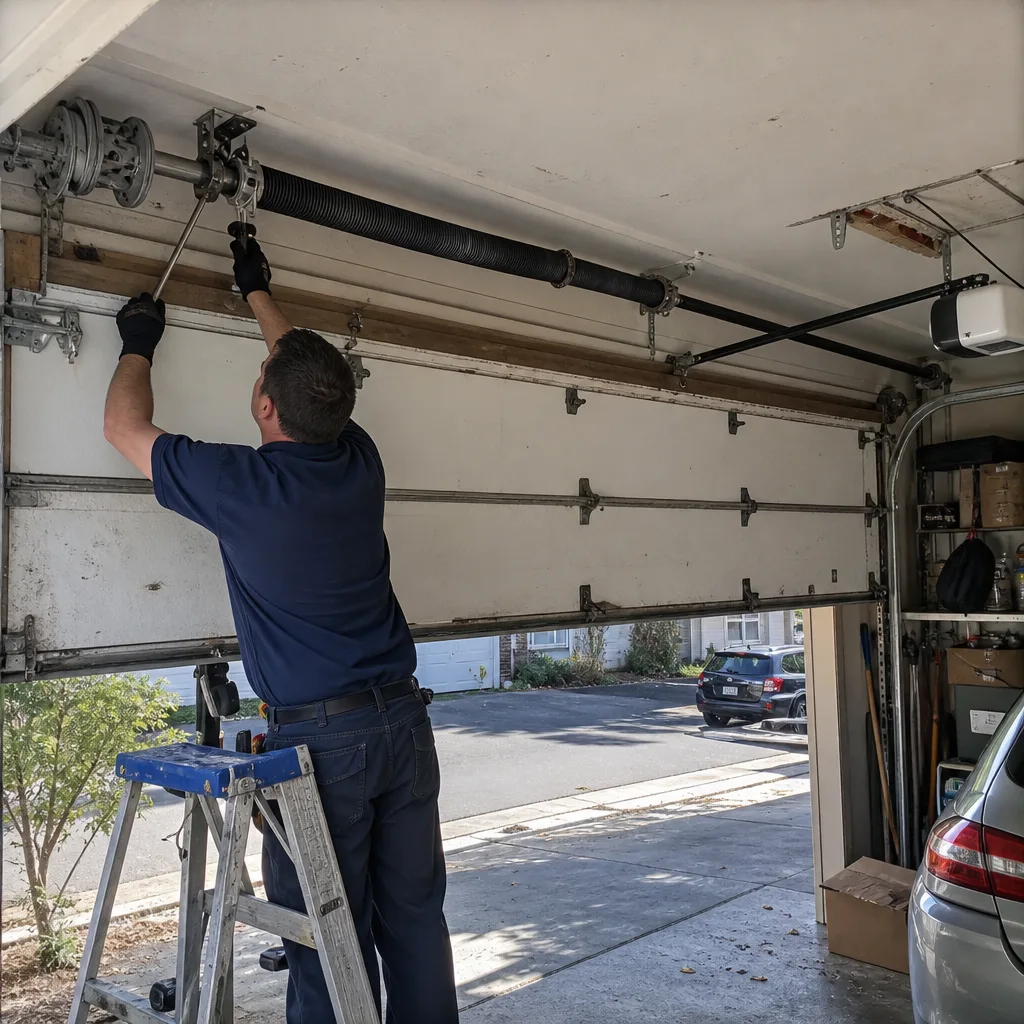 Before
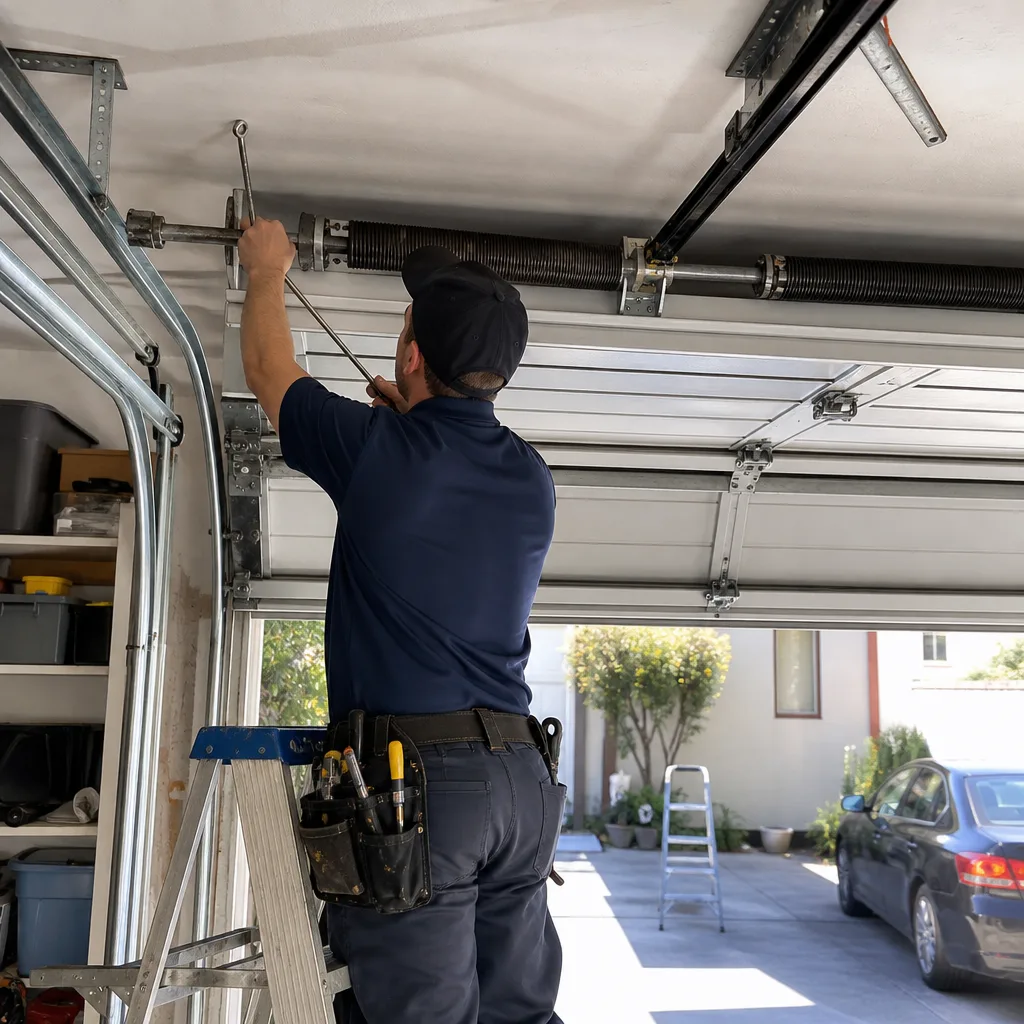 After
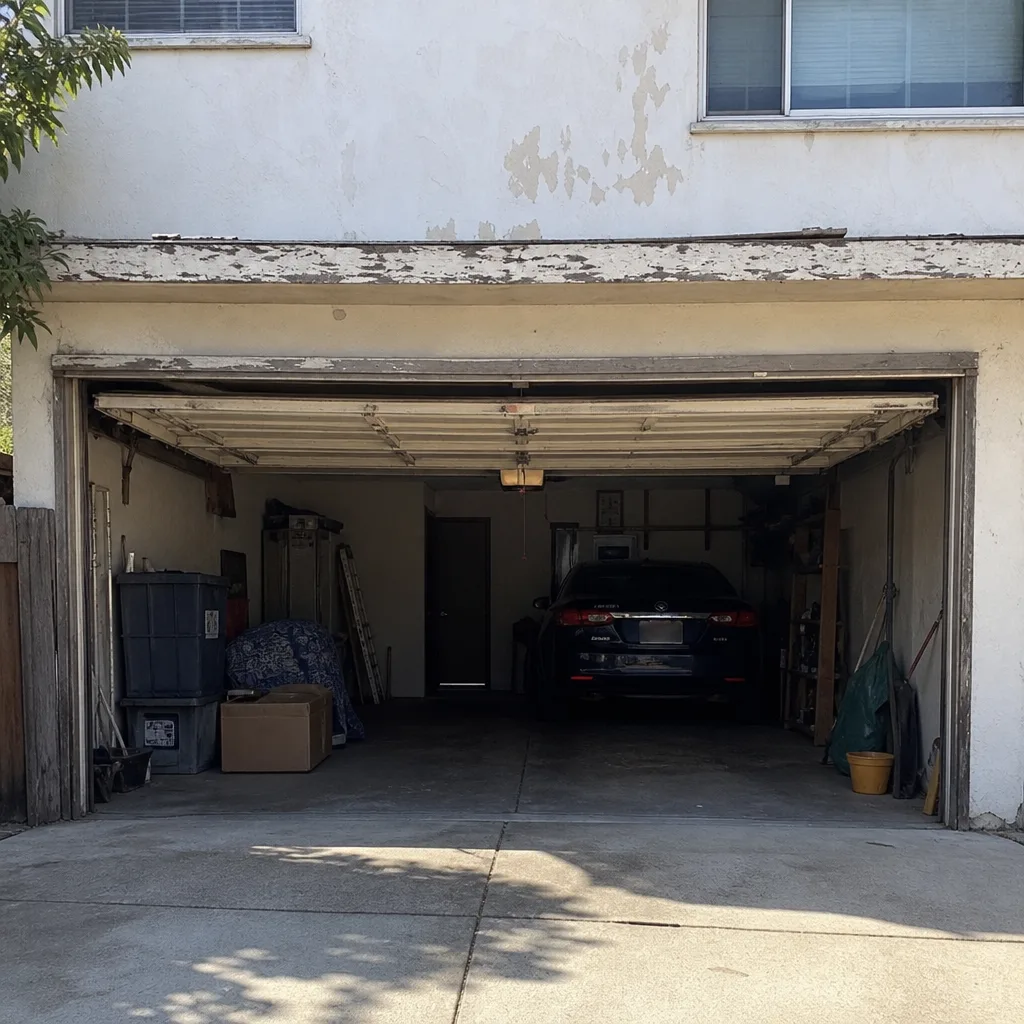 Before
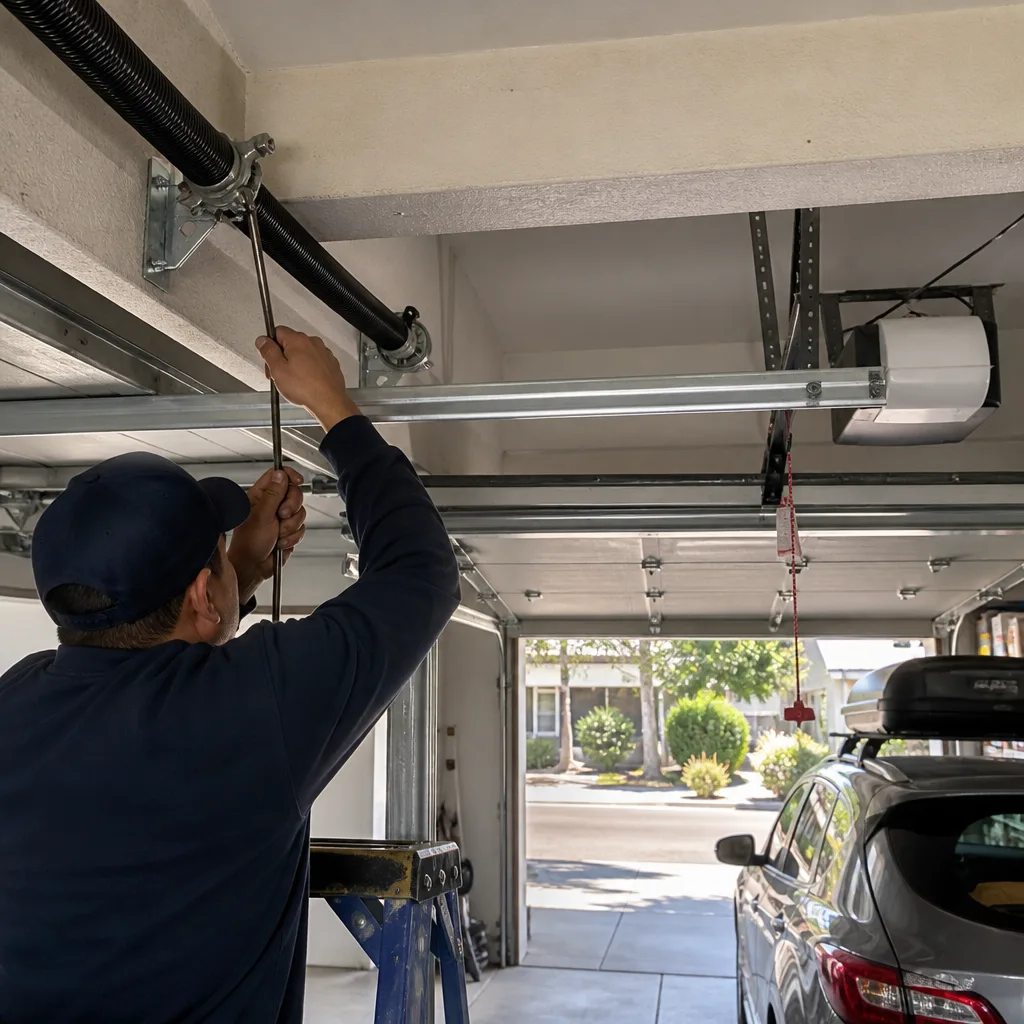 After